
- Home/
- Buy Clomid at Low Price Online in the United States
Can Clomid Be Obtained Without a Prescription in the United States?
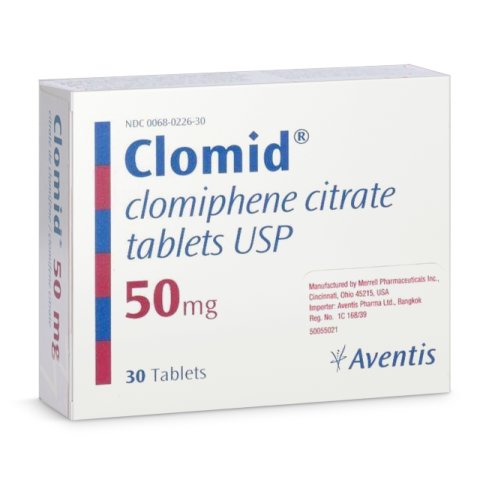
Clomid (clomiphene citrate) is a prescription-only medication in the United States. It cannot be legally obtained without a valid prescription from a licensed healthcare provider. Purchasing or using Clomid without a doctor’s supervision is both illegal and unsafe.
Key Takeaways: What to Know About Clomid in the United States
- Clomid is most suitable for women experiencing ovulatory infertility and prescribed after thorough medical assessment.
- Results are usually seen within the first 3–6 cycles, but not all women will respond.
- A prescription from a U.S.-licensed doctor is strictly required to obtain Clomid.
- Clomid should be used only under careful medical supervision due to potential side effects and risks, including ovarian hyperstimulation and visual changes.
- Consult your doctor immediately if you notice unusual symptoms or if treatment does not appear effective after several cycles.
- Only obtain Clomid from licensed U.S. pharmacies or accredited telehealth providers to avoid counterfeit or unsafe products.
How Does Clomid Work to Treat Female Infertility?
Clomid (clomiphene citrate) is a nonsteroidal selective estrogen receptor modulator (SERM). Its primary action is blocking estrogen receptors in the hypothalamus, a region of the brain that helps regulate reproductive hormones. By doing so, Clomid disrupts the negative feedback loop that estrogen normally exerts on the hypothalamus and pituitary gland.
As a result, the hypothalamus increases the release of gonadotropin-releasing hormone (GnRH), which then stimulates the pituitary gland to secrete more follicle-stimulating hormone (FSH) and luteinizing hormone (LH). These hormones promote the growth and maturation of ovarian follicles and induce ovulation in women who do not ovulate regularly.
Simplified Metaphor: Think of the hypothalamus as a thermostat for your hormones. Clomid tricks the thermostat into believing estrogen levels are low, causing it to “turn up the heat” and stimulate ovulation.
Clomid is most effective in women with certain forms of ovulatory dysfunction, such as polycystic ovary syndrome (PCOS), but ineffective in women with primary ovarian failure or certain other infertility causes.
References: For scientific context, see the FDA label, and recent PubMed reviews (PubMed), as well as American Society for Reproductive Medicine guidelines.
Misalignment Between Patient Expectations and Real-World Outcomes
As a reproductive endocrinologist, I often see women start Clomid with the belief that pregnancy will result immediately, or that any lack of success means the medication has failed. In practice, Clomid does not guarantee ovulation every cycle, and even when ovulation occurs, pregnancy rates per cycle remain under 20%. Another common misconception is that a period after a treatment cycle means failure, when in reality, ovulation alone is a positive step—sometimes it takes several cycles to achieve pregnancy. Patients rarely ask about monitoring for side effects or the need for follow-up ultrasound to assess ovulation and ovarian response. It’s important to understand that Clomid is just one step in a structured fertility journey, and success requires patience, ongoing communication, and willingness to adjust the plan as needed.
What Is the Recommended Dosage and Administration Schedule for Clomid?
Clomid is available in the United States as 50 mg tablets. The starting dose is typically 50 mg once daily for 5 consecutive days, beginning on day 3, 4, or 5 of the menstrual cycle. If ovulation does not occur, your physician may increase the dose by 50 mg increments in subsequent cycles, up to a maximum recommended dose of 150 mg per day for 5 days. The lowest effective dose should always be used.
- Never exceed 150 mg per day.
- Duration per cycle: 5 days per treatment cycle.
- Most women ovulate 5–10 days after the last tablet.
- Tablets can be taken with or without food, but should be swallowed whole (do not crush or split unless specifically directed).
If ovulation does not occur after three treatment cycles, further evaluation is strongly advised before continuing.
Special populations: Dose adjustments are generally not required for mild hepatic or renal impairment, but Clomid is contraindicated in severe liver disease. Safety and efficacy have not been established in women under 18 years or postmenopausal women.
Clomid and Food, Alcohol, and Lifestyle: What to Know
- Food: Clomid absorption is not significantly affected by food. You may take it with or without meals.
- Alcohol: Drinking alcohol while on Clomid is not strictly prohibited, but it is discouraged because alcohol can impair judgment and may exacerbate side effects such as dizziness or mood changes. No specific interaction exists at moderate consumption levels, but avoidance is safest during fertility treatment.
- Grapefruit Juice: There is no documented interaction between grapefruit juice and Clomid, but as with many medications, excessive grapefruit juice should generally be avoided when possible due to unpredictable interactions with drug metabolism.
- Lifestyle: Smoking is known to reduce fertility and is discouraged. Regular exercise and maintaining a healthy weight (CDC) can improve success rates with Clomid.
Clomid Compatibility with Common Medications and Products
| Product or Category | Can Be Combined? | Potential Consequences |
|---|---|---|
| Prenatal vitamins | Yes | No significant interaction |
| Metformin | Yes (with monitoring) | Used together for PCOS |
| Birth control pills | No | Opposing effects; avoid unless directed |
| Aspirin | Yes | No significant interaction |
| Herbal supplements | Caution | Potential unknown interactions |
| Alcohol | Discouraged | May worsen side effects |
Who Should Not Take Clomid? Contraindications and Cautions
Clomid is contraindicated in the following situations:
- Absolute contraindications:
- Pregnancy (Category X: known risk of fetal harm)
- Known or suspected liver disease
- Unexplained abnormal uterine bleeding
- Ovarian cysts not due to PCOS
- Hormone-dependent tumors (e.g., some breast, uterine, or ovarian cancers)
- Hypersensitivity to clomiphene or any tablet component
- Relative contraindications / Cautious use:
- Endometrial or ovarian changes (must be evaluated before use)
- Moderate hepatic impairment
- Visual symptoms, even if temporary
- Severe psychiatric illness
Why these contraindications? Liver disease impairs the metabolism of clomiphene, increasing toxicity risk. Ovarian cysts may worsen. Unexplained uterine bleeding could signify undiagnosed cancer. Visual changes may mean rare but severe neurological side effects.
After acute medical events such as a recent stroke or uncontrolled thyroid disease, Clomid should not be started until the condition is stabilized and cleared by a specialist.
What Side Effects Are Most Common With Clomid?
Clomid has a well-characterized safety profile, but some adverse effects can be serious. Based on clinical studies and post-marketing data:
- Very common (>1 in 10):
- Hot flashes
- Abdominal/pelvic discomfort
- Common (>1 in 100):
- Bloating
- Nausea/vomiting
- Breast tenderness
- Headache
- Mood swings or irritability
- Visual disturbances (blurred vision, floaters)
- Ovarian enlargement
- Rare (>1 in 1,000):
- Hives, rash, allergic reactions
- Hair loss
- Depression
- Very rare (<1 in 10,000):
- Ovarian hyperstimulation syndrome (OHSS) — can be life-threatening
- Severe visual impairment or scotoma
- Thromboembolic events (blood clots)
Mechanism of common effects: Hot flashes and mood swings are a consequence of altered estrogen signaling. Ovarian enlargement and pelvic pain arise from stimulated follicle growth. Visual changes are thought to relate to clomiphene’s effect on retinal estrogen receptors.
What to do if side effects occur: For mild symptoms, notify your physician and monitor. If you develop visual disturbances, severe abdominal pain, rapid weight gain, or breathing difficulty, stop Clomid immediately and seek urgent medical attention.
Common Mistakes When Using Clomid: How to Avoid Compromising Your Treatment
- Not adhering to the prescribed schedule. Skipping or doubling doses can disrupt the ovulatory cycle and reduce efficacy. Always take Clomid as instructed, at the same time each day.
- Assuming that more cycles will guarantee pregnancy. Continuing Clomid beyond the recommended number of cycles (usually 3–6) without reevaluation can increase risks without added benefit. Consult your doctor if you have not conceived after this period.
- Failing to report visual changes. Temporary blurred vision or spots may signal rare but severe side effects. Always inform your doctor immediately if you notice any new vision problems.
- Combining with unapproved supplements or alternative therapies. Some herbal products or over-the-counter medications can interact with Clomid, potentially compromising safety or effectiveness. Discuss all supplements with your provider.
- Neglecting follow-up monitoring. Skipping recommended ultrasounds or labs increases the risk of undetected ovarian hyperstimulation or cysts.
- Not informing your doctor about new or worsening symptoms. Rapid abdominal swelling, pain, or shortness of breath may indicate OHSS, which can be dangerous if not addressed promptly.
How Does Clomid Compare to Other Infertility Treatments?
Clomid is often the first-line oral therapy for ovulatory dysfunction. Alternatives include letrozole (an aromatase inhibitor) and injectable gonadotropins. Below is a comparison based on real-world U.S. data (2026).
| Parameter | Clomid | Letrozole (Femara, generics) | Injectable Gonadotropins |
|---|---|---|---|
| Typical onset of action | 5–10 days post-dose | 5–10 days | Variable, 7–14 days |
| Pregnancy rate per cycle | ~15–20% | ~18–22% | ~20–25% |
| Common side effects | Hot flashes, mood swings, visual changes | Fatigue, dizziness, less risk of multiple pregnancies | Ovarian hyperstimulation, injection site pain |
| Risk of multiples | 8–10% | 4–7% | 15–25% |
| Estimated price (per cycle, 2026 USD) | $35–$80 | $35–$90 | $1,200–$3,000 |
| Prescription required? | Yes | Yes | Yes |
Bottom line: Clomid remains widely used due to its oral route, cost-effectiveness, and established safety record. Letrozole is increasingly chosen for certain women (especially with PCOS), while injectables are reserved for those who do not respond to oral agents.
What Happens to Clomid in the Body? Pharmacokinetics Explained Simply
Clomid is rapidly absorbed after oral administration, reaching peak plasma concentrations within 5–7 hours. It is metabolized primarily in the liver via demethylation and excreted mainly through the feces, with a smaller fraction in urine.
- Half-life (T1/2): Approximately 5–7 days for active metabolites, which means the drug can persist in the body for several weeks.
- Implications: Due to its long half-life, caution is needed with prolonged or repeated dosing, and Clomid may remain detectable in the system for several weeks after the last dose.
Are There Special Considerations for Specific Patient Groups?
- Women with PCOS: Clomid is commonly used but careful monitoring is needed due to higher risk of ovarian hyperstimulation.
- Women with liver dysfunction: Clomid should be avoided in moderate/severe hepatic impairment.
- Obese patients: May have reduced response rates—weight loss may improve efficacy.
- Men: Off-label use for male infertility exists but is not FDA-approved and needs individual assessment.
- Driving and machinery: Clomid may cause vision disturbances or dizziness; avoid activities requiring full alertness if symptoms occur.
- Fertility and family planning: Clomid is designed to induce ovulation, increasing the likelihood of pregnancy (including twins or more); discuss risks and expectations with your doctor.
Are There Differences Between Brand-Name and Generic Clomid?
The original brand-name Clomid (clomiphene citrate) is no longer under patent in the United States and multiple FDA-approved generic versions are available. Generics must meet strict standards for bioequivalence, meaning they deliver the same amount of active ingredient in the same way as the original.
- Excipients: Generics may use different inactive ingredients. If you have allergies or sensitivities, check the inactive components listed on the pharmacy label or package insert.
- Cost: Generics are typically less expensive (around $30–$60 per cycle).
- Effectiveness: No major differences in clinical efficacy or side effect profile have been documented between brand and generic clomiphene citrate (FDA).
How Can You Identify Genuine Clomid in the United States?
- Authentic Clomid comes in blister strips or bottles labeled with the exact dose, lot number, and expiration date.
- Brand-name tablets are typically white, round, and may have a scoring line and imprint code (e.g., “CLOMID 50”).
- Generic versions should also have a consistent color and shape, with clear labeling and no spelling errors.
- Packaging must include the manufacturer’s name, NDC (National Drug Code), and, increasingly, security features such as QR codes or holograms (as mandated by the Drug Supply Chain Security Act).
- If the product appears suspicious, has unclear labeling, or is offered at an unusually low price, do not use it and contact your pharmacy or healthcare provider for verification.
How to Obtain Clomid Safely in the United States: Step-by-Step Patient Guide
- Schedule a medical consultation with a board-certified OB/GYN, reproductive endocrinologist, or qualified primary care provider. Many clinics offer in-person visits, while telehealth appointments are increasingly available for initial infertility assessment.
- Undergo diagnostic evaluation to confirm the cause of infertility and suitability for Clomid. This may include hormone testing, pelvic ultrasound, and semen analysis for the partner.
- Obtain a prescription if Clomid is deemed appropriate. Your doctor will explain the dosing regimen and monitoring plan.
- Fill your prescription at a licensed U.S. pharmacy—either brick-and-mortar or reputable online pharmacy accredited by the National Association of Boards of Pharmacy (NABP).
- Attend follow-up visits or required lab tests and ultrasounds to monitor for response and side effects.
- Communicate any new symptoms or concerns to your provider throughout treatment.
How to Identify Legitimate Online Pharmacies in the United States
- Verify accreditation: Only use pharmacies accredited by the NABP’s .pharmacy program or those listed on the FDA’s safe pharmacy list.
- Prescription requirement: A reputable pharmacy always asks for a valid prescription and does not sell Clomid without it.
- Check contact details: Legitimate pharmacies provide a physical U.S. address and a licensed pharmacist for consultation.
- Avoid: Sites with unusually low prices, no prescription requirement, or based outside the United States—these are often sources of counterfeit or substandard drugs.
- Security features: Look for secure checkout (https), privacy policies, and clear return or complaint procedures.
- Report concerns: Suspected rogue pharmacies can be reported to the FDA or NABP.
What to Do in Case of Clomid Overdose
- Stop taking Clomid immediately.
- Call U.S. Poison Control at 1-800-222-1222 or 911 for emergency assistance.
- Inform the medical professional about the amount, timing, and any symptoms experienced.
- Do not try to induce vomiting unless instructed by a healthcare provider.
Prompt medical intervention can prevent serious complications.
Managing Emotional Health During Infertility Treatment
Experiencing infertility is common and can be emotionally challenging. Many women and couples benefit from discussing their feelings with a partner, counselor, or support group. Remember, infertility is a medical condition—help is available, and you are not alone.
Technical Reference Table: Clomid Key Product Characteristics
| Parameter | Value |
|---|---|
| Active ingredient | Clomiphene citrate |
| Available doses (U.S.) | 50 mg tablets (brand and generic) |
| Administration | Oral, once daily for 5 days, as directed |
| Peak effect | 5–10 days after last dose |
| Half-life | 5–7 days (active metabolites) |
| Storage | Room temperature, dry, original packaging |
Questions Patients Commonly Ask Doctors About Clomid in the United States
- How will I know if Clomid is working for me?
- Most patients can track ovulation using at-home ovulation predictor kits or by monitoring menstrual cycles, but your doctor may order blood tests or ultrasounds to confirm ovulation. Regular periods after treatment can be a positive sign, but only hormone testing or ultrasound confirms success.
- Is there an increased risk of twins or multiples with Clomid?
- Yes, Clomid increases your risk of twins (8–10%) compared to natural conception (1–2%). Higher-order multiples (triplets or more) are rare but possible. Your doctor will use the lowest effective dose to minimize this risk.
- How many cycles of Clomid can I safely use?
- Most guidelines recommend no more than 3–6 cycles of Clomid. Extended use does not significantly increase pregnancy rates and may raise long-term risks. After several unsuccessful cycles, your doctor will discuss other options.
- Can I take Clomid if I have irregular periods?
- Clomid is often prescribed to women with irregular or absent ovulation. Your doctor will help determine the right starting day based on your cycle history and may use additional medications to induce a withdrawal bleed if needed.
- Do I need to have regular monitoring while on Clomid?
- Monitoring is strongly advised to ensure you are ovulating and to check for complications such as ovarian cysts or hyperstimulation. This may involve blood tests and pelvic ultrasound, especially during the first cycle.
- What should I do if I miss a dose of Clomid?
- Contact your doctor for advice. Generally, you should not double up on doses but instead continue as directed or wait for your next cycle if several doses were missed.
- Are there any long-term risks associated with Clomid?
- Long-term or repeated use may very slightly increase the risk of certain ovarian tumors; this risk is still considered low. Following your doctor’s instructions and limits on the number of cycles helps minimize risk.
doctor’s Clinical Assessment: When Is Clomid the Right Choice?
In my professional opinion, Clomid is most appropriate for women with anovulatory or oligo-ovulatory infertility, especially those with polycystic ovary syndrome or unexplained ovulatory dysfunction. It offers a good balance of efficacy, safety, and affordability for women who have otherwise normal anatomy, hormone levels, and partner semen analysis.
Clomid is less appropriate for women with primary ovarian insufficiency, blocked fallopian tubes, severe male factor infertility, or those with known hypersensitivity or contraindications as outlined above. It’s also less effective in women over 38, obese women without lifestyle changes, or those with significant endocrine disorders.
For patients who do not ovulate after three cycles, or who experience significant side effects, alternative therapies such as letrozole or gonadotropin injections may be considered. The decision to continue, switch, or stop therapy should be individualized based on age, fertility goals, and previous response to treatment. Regular follow-up and honest discussion about expectations are essential for successful outcomes.
Frequently Asked Questions About Clomid in the United States
- Is Clomid covered by health insurance in the United States?
- Coverage varies by insurer and state. Some plans cover Clomid for infertility, while others do not. Check with your provider before starting treatment.
- How quickly can I expect results with Clomid?
- Ovulation typically occurs 5–10 days after your last dose. Most pregnancies resulting from Clomid happen within the first three to six cycles.
- Can Clomid be purchased online legally?
- Yes, but only from licensed U.S. pharmacies or telehealth services and always with a valid prescription. Avoid overseas or unverified sources.
- Are there generic versions of Clomid available?
- Yes, several FDA-approved generics are available and are considered equally effective and safe.
- What should I do if I experience severe abdominal pain while on Clomid?
- Stop the medication and contact your doctor immediately, as this could signal ovarian hyperstimulation syndrome (OHSS) or other serious issues.
- How much does Clomid cost per cycle in the United States?
- As of 2026, the price for a 5-day cycle ranges from $35 to $90, depending on insurance, pharmacy, and whether you use a generic.
- What happens if Clomid does not work for me?
- If you do not ovulate or conceive after several cycles, your doctor may recommend alternative medications, further testing, or referral to a fertility specialist.
- Can men use Clomid for infertility?
- Clomid is sometimes prescribed off-label for male infertility, but this use is not FDA-approved and requires specialized monitoring.
- Can I drive while taking Clomid?
- If you experience vision changes, dizziness, or drowsiness, avoid driving or operating machinery until symptoms resolve.
- Does Clomid increase the risk of birth defects?
- Current evidence suggests Clomid does not increase the risk of birth defects when used as directed and not during pregnancy. Always use contraception until cleared to conceive.
References
- Food and Drug Administration (FDA). Clomid (clomiphene citrate) Prescribing Information. Accessed 2026. https://www.fda.gov/
- Centers for Disease Control and Prevention (CDC). Infertility: Frequently Asked Questions. Accessed 2026. https://www.cdc.gov/
- National Institutes of Health (NIH) MedlinePlus. Clomiphene. Accessed 2026. https://medlineplus.gov/druginfo/meds/a682704.html
- Practice Committee of the American Society for Reproductive Medicine. Use of clomiphene citrate in women. Fertility and Sterility, 2023. https://www.asrm.org/
- Practice Committee of the American Society for Reproductive Medicine. Optimizing natural fertility. Fertility and Sterility, 2024. https://www.asrm.org/
- PubMed. Efficacy and safety of clomiphene citrate in female infertility: Systematic review 2024. Accessed 2026. https://pubmed.ncbi.nlm.nih.gov/
- Mayo Clinic. Infertility: Diagnosis and treatment. Accessed 2026. https://www.mayoclinic.org/
- National Association of Boards of Pharmacy (NABP). Safe Pharmacies. Accessed 2026. https://nabp.pharmacy/