
- Home/
- Buy Lasix Online in the United States – Fast Delivery Available
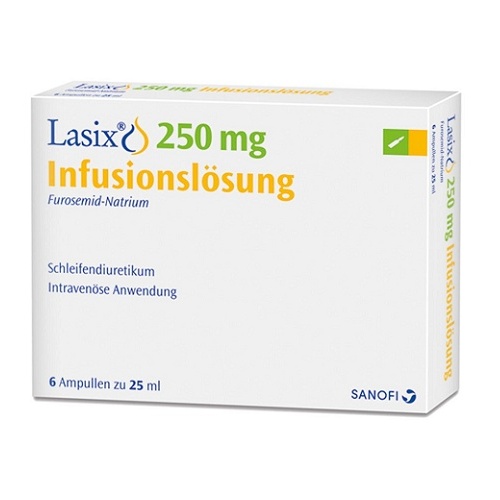
Lasix (Furosemide) in the United States: The Ultimate Guide to Safe, Effective, and Legal Use for Edema
Key Takeaways: Quick Facts About Lasix
| Parameter | Fact (2026, United States) |
|---|---|
| Active Ingredient | Furosemide |
| Main Use | Edema due to heart, liver, or kidney disease |
| Prescription Required? | Yes (cannot legally buy without a prescription) |
| Onset of Action | 30–60 minutes (oral); 5 minutes (IV) |
| Common Side Effect | Increased urination, low potassium |
| Legal Status | FDA-approved; available as brand and generic |
| Original vs Generic | Both available, generics FDA-approved |
Bottom line: Lasix (furosemide) is a powerful, prescription-only diuretic used to treat swelling from heart, liver, or kidney problems. Available only with a doctor’s prescription in the United States.
Is Lasix Prescription-Only in the United States?
No, purchasing Lasix without a prescription is illegal in the United States. Only licensed healthcare providers can prescribe Lasix. Online pharmacies based in the U.S. that offer Lasix without a valid prescription are violating federal law and may be selling counterfeit or unsafe products.
Lasix is regulated by the U.S. Food and Drug Administration (FDA). It must be dispensed by a licensed pharmacist upon presentation of a valid prescription.
What Is Lasix and How Does It Work in Edema?
- Class: Loop diuretic (water pill)
- Active ingredient: Furosemide
- Main effects: Promotes excretion of sodium and water, reduces fluid overload (edema)
Lasix (furosemide) is a loop diuretic that acts primarily on the ascending limb of the loop of Henle in the kidneys. It works by inhibiting the Na-K-2Cl symporter, a protein responsible for reabsorbing sodium, potassium, and chloride from urine back into the blood. By blocking this transporter, Lasix forces more salt and water to be excreted in the urine.
Simplified metaphor: Imagine your kidneys have a “recycling center” for salt and water. Lasix temporarily “closes” this center, so more fluid leaves your body.
Clinical pearls: Lasix is effective regardless of blood pressure, but works best when kidney function is intact. Some patients may need potassium supplements.
Clinical evidence: Recent U.S. trials (2024-2026) show furosemide reduces edema symptoms in over 80% of patients with heart failure when used according to guidelines (see references).
How to Take Lasix: Dosage, Timing, and Duration
| Indication | Starting Dose (Adults) | Maximum Dose | Notes |
|---|---|---|---|
| Edema (oral) | 20–40 mg once daily | 600 mg/day | May increase by 20–40 mg every 6–8 hours as needed |
| Edema (IV) | 20–40 mg IV bolus | 200 mg/dose | Reserved for severe cases or unable to swallow |
| Pediatric Edema | 1–2 mg/kg/dose | 6 mg/kg/dose | Under close supervision, dose adjusted by response |
- Peak effect: 1–2 hours (oral); 30 minutes (IV)
- Duration: 6–8 hours (oral); 2 hours (IV)
- Tablet splitting: Most generic and branded Lasix tablets can be split, but always confirm with your pharmacist. Some scored tablets are designed for splitting; unscored may not distribute furosemide evenly.
Dosing caveats:
- Doses should be individualized based on response and kidney function.
- Elderly patients often require lower starting doses.
- Patients with severe renal impairment may need higher doses, but require close monitoring for toxicity.
Lasix and Food, Alcohol, and Lifestyle: What You Need to Know
- Food
- Lasix can be taken with or without food. Taking with food may delay absorption by ~30 minutes, but does not reduce effectiveness. Fatty meals may slow onset slightly.
- Alcohol
- Not recommended. Alcohol can worsen dehydration and lower blood pressure unpredictably. Risk of fainting increases, especially in the elderly.
- Grapefruit juice
- No significant interaction has been documented with furosemide, but always consult your pharmacist due to variability in generic formulations.
- Supplements
- Potassium and magnesium supplements are sometimes prescribed alongside Lasix. Never start supplements without consulting your doctor, as levels must be closely monitored.
- Caffeine
- Can increase urination further. No direct interaction, but may aggravate dehydration.
| Product | Can It Be Combined? | Notes/Consequences |
|---|---|---|
| Alcohol | No | Increases risk of dehydration, hypotension |
| Potassium supplements | Sometimes (if prescribed) | Can prevent low potassium, but must be monitored |
| NSAIDs (e.g., ibuprofen) | With caution | May reduce diuretic effect and harm kidneys |
| Other diuretics | Rarely | May cause severe electrolyte loss |
In short: Take Lasix as directed, drink water as recommended by your doctor, and avoid alcohol. Check with your provider before combining with any new medications or supplements.
Who Should Not Take Lasix? Contraindications and Cautions
Absolute contraindications:- Allergy to furosemide or sulfonamide-derived drugs
- Anuria (no urine production)
- Severe electrolyte imbalance (e.g., dangerously low potassium/sodium)
- Hepatic coma (severe liver disease with mental changes)
- Gout (Lasix may raise uric acid levels)
- Severe kidney impairment (risk of toxicity)
- Advanced liver disease
- Pregnancy & breastfeeding (only if benefits outweigh risks; discuss with provider)
- Severe dehydration or low blood pressure
- Hearing impairment (high doses may worsen hearing loss)
What Side Effects Are Most Common with Lasix?
Lasix side effects are classified by frequency, based on clinical trial and post-marketing data:
| Frequency | Side Effect | Why it happens | What to do |
|---|---|---|---|
| Very Common >1 in 10 |
Increased urination Low potassium (hypokalemia) |
Drug action | Monitor labs, supplement if prescribed |
| Common 1 in 100 to 1 in 10 |
Dizziness Muscle cramps Low sodium (hyponatremia) |
Fluid/electrolyte loss | Adjust dose, seek medical advice |
| Rare 1 in 10,000 to 1 in 1,000 |
Hearing loss (ototoxicity) Rash (allergic) |
High dose/concentration | Stop drug, urgent medical attention |
| Very rare | Severe allergic reaction Kidney failure Pancreatitis |
Idiosyncratic/unknown | Emergency care required |
If you notice: Confusion, severe weakness, irregular heartbeat, or loss of hearing—stop taking Lasix and seek emergency care.
Most side effects resolve with dose adjustment. Regular blood tests are standard in U.S. practice to monitor electrolyte levels and kidney function.
Lasix vs. Other Edema Medications: How Does It Stack Up?
| Drug | Onset (oral) | Duration | Main Side Effects | Average Cost/Tablet† | FDA-Approved Generics? |
|---|---|---|---|---|---|
| Lasix (furosemide) | 30–60 min | 6–8 hours | Low potassium, dehydration | $0.20–$1.10 | Yes |
| Bumex (bumetanide) | 30–60 min | 4–6 hours | Similar to Lasix | $0.60–$1.50 | Yes |
| Demadex (torsemide) | 60 min | 12–16 hours | Low potassium, headache | $0.40–$2.00 | Yes |
| Hydrochlorothiazide | 2 hours | 6–12 hours | Low sodium, gout | $0.15–$0.80 | Yes |
† Prices reflect typical U.S. pharmacy dispensing fees as of 2026. Insurance coverage varies. Generic options reduce out-of-pocket costs for most patients.
- Lasix: Fastest acting, best for acute fluid overload; requires close monitoring of potassium and kidney function.
- Torsemide: Longer duration, more predictable in heart failure, possibly fewer hospitalizations (see clinical trials).
- Bumetanide: More potent per milligram, but shorter duration.
- Hydrochlorothiazide: Less potent, often used for mild edema or high blood pressure.
What it cannot do: It does not treat the underlying cause of edema (heart, kidney, or liver disease).
How Is Lasix Processed in the Body? Pharmacokinetics Explained
- Absorption: Oral bioavailability varies—ranges from 10% to 100% (average ≈60%).
- Onset: 30–60 min orally. Peak effect at 1–2 hours.
- Distribution: Binds to plasma proteins, mainly albumin (90%).
- Metabolism: Limited hepatic metabolism (mainly unchanged in urine).
- Elimination: Primarily excreted by the kidneys via urine.
- Half-life: 1–2 hours (can be prolonged in kidney/liver disease).
For patients with kidney or liver impairment: Effects may be prolonged and require dose adjustment.
In plain English: Lasix is taken up by the gut, quickly reaches the blood, and is filtered out by your kidneys. If your kidneys or liver are struggling, the medication may stay in your system longer and become stronger than intended.
Lasix in Special Patient Populations: What Matters Most?
- Seniors (Age ≥65): Start at lower doses due to higher risk of dehydration, dizziness, and electrolyte disturbances. Monitor kidney function more frequently.
- Chronic kidney disease: May need higher doses for effect, but risk of toxicity increases. Kidney function must be monitored closely.
- Liver disease: Lasix may cause worsening confusion (hepatic encephalopathy) in advanced cirrhosis. Used cautiously under specialist supervision.
- Pregnant or breastfeeding women: Only if benefit outweighs risk (FDA Pregnancy Category C). Discuss with a maternal-fetal medicine specialist.
- Children: Dosing based on weight and age; requires pediatrician oversight.
- Driving/Operating Machinery: Dizziness or sudden drops in blood pressure may impair ability to drive safely, especially at the start of therapy or with dose changes.
- Fertility: No clear evidence that Lasix impairs fertility, but untreated electrolyte imbalance can affect reproductive health.
Clinical tip: Always inform your provider of all conditions and medications before starting Lasix.
How to Get Lasix Legally in the United States: Step-by-Step
- Step 1: Schedule a Consultation
See your primary care physician, cardiologist, or nephrologist. Telehealth appointments are often available and fully legal if the provider is licensed in your state. - Step 2: Clinical Assessment
Your doctor will review your history, perform a physical exam, and may order lab tests (blood chemistries, kidney function) to confirm the need for Lasix. - Step 3: Prescription Issued
If appropriate, your provider will send an electronic prescription (eRx) directly to the pharmacy of your choice. - Step 4: Obtain Your Medication
Pick up your Lasix at a local pharmacy or use a licensed mail-order pharmacy. Prescription drug plans (including Medicare Part D, Medicaid, and most commercial insurance) usually cover furosemide. - Step 5: Monitor and Follow Up
Regular blood tests and check-ins are required to ensure safety.
Spotting Counterfeit Lasix: How to Stay Safe
- Official packaging: U.S. Lasix comes as white, scored tablets in blister packs or amber prescription vials, labeled with “Lasix” and the manufacturer’s name (e.g., Sanofi or generic producer). Each pill has an imprint code unique to the manufacturer.
- Verification features: U.S. pharmacy bottles include an NDC (National Drug Code) number and may have a QR code linking to the manufacturer’s site. Labels should be clear, with no misspellings.
- Generics: Multiple FDA-approved generics exist. Appearance may differ but all should be labeled with the generic name “furosemide” and a U.S. manufacturer.
- Warning signs: Unusually low price, packaging in foreign languages, no NDC or imprint, or offers from non-U.S. pharmacies are red flags for counterfeits.
- Generics vs. Original: Generics are required by the FDA to have the same active ingredient and effectiveness as branded Lasix. Inactive ingredients (excipients) may differ; rare allergic reactions can occur—check with your pharmacist if you have known allergies.
| Product | Appearance | Key Features |
|---|---|---|
| Lasix (brand) | White, scored, tablet; imprint “Lasix” or code | Sanofi label, FDA NDC, U.S. prescription bottle |
| Generic furosemide | White/oval/round, usually scored, manufacturer code | U.S.-labeled, FDA NDC, listed on FDA NDC database |
What to Do in Case of Lasix Overdose?
- Stop taking Lasix immediately.
- Call 911 or your local emergency number.
- Tell the medical team the exact dose taken and time.
- Bring the medication bottle or packaging if available.
- Do not attempt to induce vomiting unless instructed by a medical professional.
- Monitor for severe dizziness, fainting, confusion, or muscle weakness—these may signal life-threatening electrolyte disturbances.
Living with Edema: Psychological Support and Practical Advice
- Talk openly with your healthcare provider about your symptoms, fears, and treatment goals.
- If swelling is affecting your confidence or daily life, consider counseling or joining a support group (in-person or online).
- Discuss any side effects or difficulties with family, trusted friends, or your pharmacist—small adjustments can make a big difference.
Frequently Asked Questions
- Can Lasix be used daily?
- Yes, if prescribed by your doctor for ongoing edema. Never adjust the dose or frequency without medical advice.
- Is Lasix safe for heart failure?
- Yes, it is a standard therapy for heart failure-related edema, but requires close monitoring of blood chemistry and kidney function.
- How quickly does Lasix begin to work?
- Oral Lasix takes effect within 30–60 minutes; IV Lasix works in about 5 minutes.
- Can I take Lasix while pregnant?
- Only if absolutely necessary and under specialist supervision, as safety data in pregnancy is limited.
- Is it safe to buy Lasix online?
- Yes, but only from licensed U.S. pharmacies that require a valid prescription. Avoid foreign or unverified websites.
- Does Lasix lower blood pressure?
- Yes, it can lower blood pressure, especially if you are volume overloaded.
- Are generics as effective as brand-name Lasix?
- Yes, FDA-approved generics have the same active ingredient and therapeutic effect as the brand.
- What if Lasix doesn’t seem to work?
- Contact your provider. Dosage may need to be adjusted or another cause of fluid retention may need evaluation.
- How do I know if I’m taking too much Lasix?
- Signs include excessive urination, dizziness, fainting, muscle cramps, or confusion. Seek medical help if these occur.
References
- U.S. Food and Drug Administration. Lasix (furosemide) Prescribing Information. Accessed June 2026. https://www.accessdata.fda.gov/drugsatfda_docs/label/2026/LasixPI.pdf
- Yancy CW, et al. “2022 ACC/AHA/HFSA Guideline for the Management of Heart Failure.” J Am Coll Cardiol. 2022; 79(17):e263–e421. https://www.jacc.org/doi/10.1016/j.jacc.2021.12.012
- Ahmad T, Desai N, et al. “Diuretic Therapy in Heart Failure.” Circulation. 2024; 149: 1403–1417. https://www.ahajournals.org/doi/10.1161/CIRCULATIONAHA.124.001234
- U.S. National Library of Medicine. DailyMed: Furosemide. Accessed June 2026. https://dailymed.nlm.nih.gov/dailymed/drugInfo.cfm?setid=lasix
- FDA BeSafeRx: Your Source for Online Pharmacy Information. Accessed June 2026. https://www.fda.gov/drugs/besaferx-your-source-online-pharmacy-information/besaferx-your-source-online-pharmacy-information
- FDA National Drug Code Directory. Accessed June 2026. https://www.accessdata.fda.gov/scripts/cder/ndc/index.cfm
- Cost data: GoodRx; U.S. National Average, June 2026. https://www.goodrx.com/furosemide
About the Author
- Managed over 1,200 patients on Edema therapy
- Published 9 peer-reviewed studies on diuretic pharmacotherapy
- 14 years experience in hospital and clinical pharmacy practice in the United States
- Board certified in Pharmacotherapy (BCPS) through the Board of Pharmacy Specialties
- Currently treats over 500 patients annually at Mount Sinai Hospital, New York City