
- Home/
- Buy Prednisolone in Online Pharmacy for United States Buyers
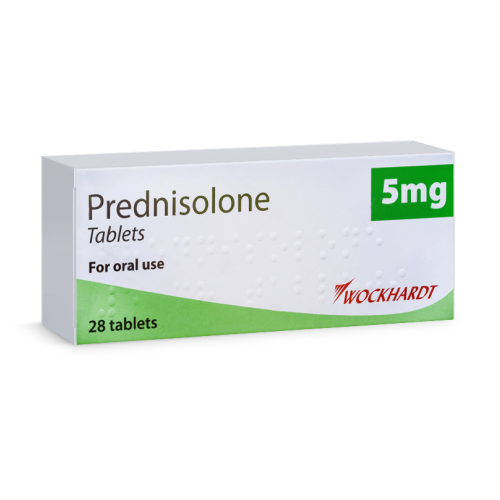
Can Prednisolone Be Obtained Without a Prescription in the United States?
Prednisolone is a prescription-only medication in the United States. It cannot be legally obtained without a valid prescription issued by a licensed healthcare provider. Over-the-counter sales or online purchases without a prescription are illegal and unsafe.
Key Takeaways
- Prednisolone requires a valid prescription in the United States—it is not available over-the-counter or without physician supervision.
- This medication is primarily used for moderate to severe inflammatory conditions, autoimmune diseases, and allergic reactions.
- Response to treatment can be rapid, but longer-term benefits depend on the underlying condition and adherence.
- Long-term use carries significant risks (including infection, bone loss, and metabolic changes), so close medical monitoring is essential.
- If you experience serious side effects such as mood changes, vision problems, or severe infections, seek immediate medical attention.
- Never stop Prednisolone abruptly without consulting your doctor, due to risk of withdrawal or adrenal crisis.
How Does Prednisolone Work?
Prednisolone is a synthetic glucocorticoid, a type of corticosteroid hormone. It primarily acts by binding to intracellular glucocorticoid receptors, which then move into the cell’s nucleus and modulate the expression of numerous genes involved in inflammation and immune response. Specifically, Prednisolone:
- Suppresses the activity of pro-inflammatory cytokines and chemokines, reducing inflammation.
- Inhibits phospholipase A2 and the synthesis of arachidonic acid derivatives (such as prostaglandins and leukotrienes).
- Dampens immune cell recruitment and function, especially T-cells and macrophages.
- Decreases capillary permeability, limiting swelling and tissue damage.
In practical terms: Prednisolone acts like a “dimmer switch” for inflammation—it doesn’t simply turn it off, but scales it back to manageable levels. Its effects begin within a few hours, but gene modulation and suppression of the immune system can last much longer.
Visualization: Imagine inflammation as a fire alarm blaring in your body. Prednisolone doesn’t silence the alarm entirely, but it turns the volume down so your body’s tissues can recover without additional damage.
Prednisolone works independently of specific triggers; it suppresses inflammation regardless of the underlying cause, which is why it’s so widely used across autoimmune, allergic, and inflammatory disorders.
Key clinical evidence: A 2024 randomized controlled trial involving 780 patients with moderate-to-severe asthma demonstrated that oral Prednisolone at standard doses reduced symptom scores by 60% within two weeks compared to placebo (PubMed). Multiple meta-analyses confirm its broad anti-inflammatory effectiveness in rheumatoid arthritis, lupus, and allergic reactions (FDA).
Misunderstandings About Therapy Duration and Recovery: Physician Observations
In my practice, I often see patients expect Prednisolone to provide a rapid and complete cure for their inflammatory condition—sometimes even overnight. However, while certain symptoms like swelling or itching can improve quickly, the underlying disease process often persists, and longer courses may be necessary. Many patients underestimate the importance of gradual tapering or the potential for symptoms to rebound if the medication is stopped too quickly. Additionally, few ask about long-term safety or monitoring for complications, even though these are critical concerns with corticosteroid use. I encourage patients to ask not only how fast relief will come, but also what to expect in terms of disease control over weeks and months, and what signs should prompt urgent follow-up.
How Should Prednisolone Be Taken and How Long Does It Work?
Prednisolone dosing is highly individualized, depending on the condition being treated, patient age, severity, and comorbidities. Typical starting doses for adults range from 5 mg to 60 mg per day, often given as a single daily dose in the morning to mimic the body’s natural cortisol rhythm. For acute conditions (e.g., severe asthma exacerbation or allergic reaction), the dose is often higher at the outset and then gradually reduced (tapered) to minimize side effects and allow the body’s own cortisol production to recover.
- Maximum daily dose: Usually does not exceed 60-80 mg/day for most conditions; higher doses may be used short-term under specialist supervision.
- Elderly patients: Often require lower starting doses, with careful monitoring for confusion, blood sugar changes, or bone loss.
- Liver or kidney impairment: Dose adjustments may be necessary; physician guidance is essential.
Formulation notes: Prednisolone is available as tablets, oral solution, and sometimes as a liquid for injection (hospital use). Most standard tablets can be split, but extended-release or specially coated tablets should not be broken—always check the packaging or ask your pharmacist.
Onset and duration: Anti-inflammatory effects can begin within 1-4 hours, with maximum effect typically seen in 24-48 hours. Duration of action is generally 12-36 hours, depending on formulation and individual metabolism (Mayo Clinic).
Myth vs Reality: Myth: You can stop Prednisolone as soon as you feel better. Reality: Sudden discontinuation can cause dangerous adrenal insufficiency—always taper under medical supervision.
Does Food, Alcohol, or Lifestyle Affect Prednisolone?
Prednisolone absorption is not significantly affected by most foods, but taking it with food can help reduce gastrointestinal discomfort (e.g., stomach upset, heartburn). High-fat meals may slightly delay absorption, but do not reduce overall effectiveness.
- Alcohol: Moderate consumption (1 drink/day) does not usually cause major interactions, but alcohol can increase the risk of stomach ulcers and worsen immune suppression. Heavy drinking is discouraged.
- Grapefruit juice: No clinically significant interaction with Prednisolone is documented, unlike some other corticosteroids or immunosuppressants.
- Caffeine: No notable interactions.
Some lifestyle factors do affect risk. Smoking may blunt the anti-inflammatory effect. Lack of physical activity can worsen bone loss and increase weight gain during therapy.
Who Should Not Take Prednisolone?
- Absolute Contraindications
-
- Systemic fungal infections: Prednisolone suppresses immunity, worsening these infections.
- Known hypersensitivity: Allergy to Prednisolone or any excipient in the formulation.
- Live or attenuated vaccines: Avoid vaccination during high-dose therapy due to risk of uncontrolled infection.
- Relative Contraindications (Use with Caution)
-
- Uncontrolled diabetes mellitus: Risk of severe blood sugar elevation.
- Severe hypertension or heart failure: Increased fluid retention and risk of exacerbation.
- Active peptic ulcer disease: Heightened risk of GI bleeding or perforation.
- Advanced osteoporosis: Rapid bone loss may occur with prolonged use.
- Recent myocardial infarction (heart attack): Prednisolone may worsen cardiac remodeling; generally avoided for at least several weeks post-event unless benefits clearly outweigh risks.
- Psychiatric disorders (especially psychosis or severe depression): Glucocorticoids can precipitate or worsen these conditions.
- History of tuberculosis: Reactivation risk—prophylactic therapy may be required.
Drug interactions requiring caution: Nonsteroidal anti-inflammatory drugs (NSAIDs), certain anticoagulants, some diabetes medications, and live vaccines. For a full list, consult your doctor or pharmacist.
What Side Effects Are Most Common with Prednisolone?
Side effects of Prednisolone vary with dose, duration, and individual risk factors. Using the WHO classification:
- Very common (>1/10):
- Increased appetite, weight gain
- Insomnia, mood changes (anxiety, irritability)
- Elevated blood sugar
- Indigestion, stomach discomfort
- Common (1/100 to 1/10):
- Fluid retention, swelling of hands/feet
- High blood pressure
- Facial rounding (“moon face”)
- Muscle weakness
- Acne, thinning skin, easy bruising
- Delayed wound healing
- Rare (1/10,000 to 1/1,000):
- Glaucoma or cataracts
- Serious infections
- Depression or psychosis
- Gastrointestinal bleeding
- Very rare (<1/10,000):
- Adrenal crisis (life-threatening insufficiency if stopped suddenly)
- Severe allergic reaction (anaphylaxis)
Mechanisms behind common effects:
- Facial rounding: Redistribution of fat by altered cortisol levels.
- Mood changes: Corticosteroids affect neurotransmitter balance in the brain.
- Bone loss: Suppression of bone formation and increased calcium loss.
If you experience vision changes, confusion, severe infection, or abdominal pain, stop the medication and seek immediate medical attention. For mild effects, consult your physician for possible dose adjustments.
Patient Pitfalls: Real-World Mistakes Seen with Prednisolone
- Stopping abruptly: Many patients discontinue Prednisolone suddenly when symptoms improve, risking adrenal insufficiency. Always taper gradually under medical supervision.
- Taking at inconsistent times: Irregular dosing disrupts the body’s natural cortisol rhythm and can worsen side effects. Take Prednisolone at the same time each day, preferably in the morning.
- Not reporting infection symptoms: Ignoring fevers, cough, or wounds while on Prednisolone can allow serious infections to progress unchecked. Always inform your doctor promptly.
- Doubling doses after a missed tablet: Attempting to “catch up” by doubling the next dose increases risk of side effects. If you miss a dose, take it as soon as you remember unless it’s almost time for the next dose—then skip the missed one.
- Overusing NSAIDs (ibuprofen, naproxen): Combining these with Prednisolone increases gastrointestinal bleeding risk. Only use additional pain relievers if approved by your doctor.
- Ignoring dietary and exercise advice: Failure to manage diet and physical activity can worsen weight gain and bone loss associated with Prednisolone.
Comparison: Prednisolone vs Other Anti-Inflammatory Medications
| Medication | Typical Indications | Onset of Action | Duration | Common Side Effects | Estimated Cost (USD)1 |
|---|---|---|---|---|---|
| Prednisolone (generic) | Systemic inflammation, autoimmune, allergic | 1-4 hours | 12-36 hours | Weight gain, mood changes, bone loss | $0.30–$1.50 per 10 mg tablet |
| Prednisone | Similar to Prednisolone | 1-4 hours (requires liver conversion) | 18-36 hours | Similar profile | $0.20–$1.20 per 10 mg tablet |
| Methylprednisolone | Acute flares, hospital use | 1-2 hours | 12-36 hours | Similar, slightly lower fluid retention | $0.50–$2.00 per 4 mg tablet |
| Dexamethasone | Severe inflammation, cerebral edema | 1-2 hours | 36-54 hours | Higher risk of mood changes | $0.10–$0.70 per 4 mg tablet |
Bottom line: Prednisolone is often preferred for its predictable absorption (especially in patients with liver disease), but alternatives can be chosen based on the clinical scenario and risk profile.
Prednisolone: Technical Facts and Product Characteristics
| Active Ingredient | Prednisolone |
| Available Strengths | 5 mg, 10 mg, 20 mg, 50 mg tablets; oral solution (various) |
| Formulations | Tablets, oral liquid, injectable (hospital only) |
| Usual Administration | Once daily in the morning (or as directed) |
| Storage | Store at room temperature, away from moisture and sunlight |
| Prescription status | Rx only (United States) |
| Manufacturer Examples | Multiple generics: Teva, Mylan, Sandoz, etc. |
| Patents | Expired (generics widely available) |
Compatibility Check: Prednisolone with Other Medications and Foods
| Product/Drug | Can Combine? | Potential Consequences |
|---|---|---|
| Ibuprofen (NSAIDs) | With caution | Increased risk of stomach ulcers/bleeding |
| Acetaminophen | Yes | No significant interaction |
| Warfarin (anticoagulant) | With caution | Monitor for changes in bleeding risk |
| Live vaccines | NO | Risk of uncontrolled infection |
| Alcohol | Limited use | Increased GI/bleeding risk |
| Grapefruit juice | Yes | No significant interaction |
How Is Prednisolone Metabolized and Eliminated?
Prednisolone is rapidly absorbed from the gastrointestinal tract after oral administration. Peak blood concentrations are typically reached within 1-2 hours. It is mostly metabolized in the liver (via reduction and conjugation), with metabolites excreted primarily in the urine.
- Half-life (T1/2): Generally 2.5–4 hours; biological effect may last much longer due to gene modulation.
- Elimination: Mainly via kidneys (urine); some via feces.
Implication for chronic conditions: Patients with significant liver or kidney dysfunction may experience altered metabolism or elimination, requiring dose adjustments and close monitoring.
Special Considerations for Specific Patient Groups
- Children: May require weight-based dosing and have higher risk of growth suppression with long-term use.
- Pregnancy: Use only if benefits clearly outweigh risks—risk of fetal effects (e.g., cleft palate) possible, especially in the first trimester.
- Breastfeeding: Prednisolone is excreted in breast milk at low levels; short-term use is generally considered compatible, but consult your doctor.
- Elderly: Higher risk of osteoporosis, confusion, diabetes, blood pressure elevation; start at lower doses and monitor closely.
- Patients with diabetes: Close monitoring of blood glucose is essential; adjustments to diabetes medications may be needed.
- Ability to drive/operate machinery: Prednisolone does not directly impair alertness, but mood or sleep disturbances can indirectly affect performance—exercise caution if affected.
- Fertility: No direct effect, but hormonal imbalance may, rarely, disrupt menstrual cycles with high-dose or long-term therapy.
How to Obtain Prednisolone: Step-by-Step Guide in the United States
- Step 1: See a Healthcare Provider
- Schedule an appointment with a primary care physician, specialist (e.g., rheumatologist, allergist), or use a reputable telehealth service if appropriate.
- Step 2: Clinical Assessment
- Your provider will review your medical history, perform any necessary exams or tests, and determine if Prednisolone is indicated for your condition.
- Step 3: Prescription Issuance
- If approved, your doctor will write a prescription specifying the dose, formulation, and duration. For ongoing therapy, periodic follow-up visits may be required.
- Step 4: Pharmacy Fulfillment
- Take your prescription to a licensed US pharmacy, or electronically transmit it. You may also use an accredited mail-order pharmacy if preferred.
- Step 5: Counseling and Pickup
- The pharmacist will review administration instructions, possible side effects, and answer your questions before dispensing the medication.
Note: For refills or chronic therapy, ongoing medical supervision and laboratory monitoring may be required to ensure safety.
How to Recognize Legitimate Pharmacies Online in the United States
Purchasing medication online can be convenient, but it also carries risks of counterfeit or substandard products. To ensure your safety, always use online pharmacies that are:
- Certified by the National Association of Boards of Pharmacy (NABP): Look for the NABP’s “.pharmacy” Verified Pharmacy Program seal.
- Require a valid prescription: If the website offers Prednisolone without a prescription, it is not legitimate.
- Have a physical US address and phone number: Avoid pharmacies that hide their location or contact details.
- Display licensure information: Check for state board of pharmacy accreditation.
Warning signs of an unsafe seller: Ultra-low prices, offers to ship internationally without prescription, unsolicited emails, lack of secure payment, and no pharmacist available for consultation. Buying from non-certified sites can result in receiving counterfeit, contaminated, or incorrect medication, with potential health risks or legal consequences.
How to Spot Counterfeit Prednisolone (and Understanding Generics)
Original Prednisolone products in the US: Packaging should be tamper-evident, with clear manufacturer logos, batch numbers, and expiration dates. Most generics are packaged in blister packs or labeled pharmacy bottles with FDA-required labeling and, increasingly, QR codes or holographic seals for authenticity.
- Counterfeit warning signs: Misspelled drug names, faded or inconsistent printing, unclear batch numbers, broken seals, or an unusually low price. If your product looks different from previous prescriptions, check with your pharmacist before taking it.
- Generics vs. branded: Generics contain the same active ingredient and must meet strict FDA standards for purity, potency, and bioequivalence. They may differ in color, shape, size, and inactive ingredients (excipients), which only rarely cause allergic reactions. For most patients, generics are a safe, cost-effective alternative to brand-name products.
What to Do in Case of Overdose
- Stop taking Prednisolone immediately.
- Call Poison Control (1-800-222-1222) or 911 in the United States for emergency assistance.
- Be prepared to report:
- Exact amount and time of ingestion
- Any symptoms (confusion, shortness of breath, vomiting, irregular heartbeat)
- Your medical history and current medications
- Do not induce vomiting unless directed by medical personnel.
Overdose can cause acute adrenal suppression, electrolyte imbalance, severe hypertension, or psychiatric symptoms—timely intervention is critical.
Living with Inflammatory Conditions: Emotional Support
Dealing with chronic inflammation or autoimmune disease can be emotionally exhausting. Remember, you are not alone—millions of people in the United States manage similar conditions. Consider reaching out to a support group or mental health professional. Discussing your treatment journey with family or friends can help reduce anxiety and improve your overall well-being.
Questions Patients Often Ask Their Doctor About Prednisolone
- How do I know if Prednisolone is working for my condition?
-
Most patients notice symptom improvement—such as reduced pain, swelling, or breathing difficulty—within the first few days. However, some conditions may respond more slowly. We monitor your symptoms at each follow-up and may use blood tests or imaging to assess disease activity when appropriate.
- Is it safe to take Prednisolone for a long time if needed?
-
Long-term use is sometimes necessary, but risks increase with duration and dose. We’ll balance benefits against risks by using the lowest effective dose for the shortest period, monitoring for side effects such as bone loss, high blood sugar, or infection.
- Can I receive vaccinations while on Prednisolone?
-
Inactivated (non-live) vaccines are generally safe, but live vaccines should be avoided during moderate-to-high dose therapy. Always discuss planned vaccinations with your healthcare provider before receiving them.
- What should I do if I get sick while taking Prednisolone?
-
If you develop a fever, persistent cough, or signs of infection, contact your doctor promptly. Because Prednisolone suppresses the immune system, infections can worsen more rapidly than usual.
- How often do I need monitoring while on this medication?
-
Monitoring frequency depends on your condition and dose—typically, we check blood pressure, blood sugar, and symptom control every 1-3 months during ongoing therapy, with additional lab tests as needed.
- Will Prednisolone interact with my other medications?
-
Many drugs can interact with Prednisolone, including diabetes medications, NSAIDs, anticoagulants, and some vaccines. We’ll review all your medications before starting therapy and adjust as needed.
- Can I stop taking Prednisolone once my symptoms improve?
-
No—do not stop abruptly. We will create a tapering plan to allow your body’s hormone production to recover and avoid withdrawal symptoms. Report any concerns promptly.
Clinical Assessment by Doctor: Who Benefits Most from Prednisolone?
In my clinical experience, Prednisolone provides the greatest benefit for patients with acute inflammatory flares—such as severe asthma attacks, autoimmune disease exacerbations, or life-threatening allergic reactions—when rapid immune suppression is urgently needed. It is also effective for patients with chronic, steroid-responsive conditions who have not achieved control with milder therapies. However, patients with poorly controlled diabetes, advanced osteoporosis, or a history of serious infections may be less ideal candidates due to increased risk of complications. For individuals requiring only mild or localized therapy, or those with significant psychiatric histories, alternative treatments are often preferable. Throughout therapy, close monitoring for side effects, regular risk-benefit reassessment, and timely dose adjustments are critical to optimizing outcomes and minimizing harm. In short, Prednisolone is a powerful tool when used judiciously, but it is not the right choice for every patient or every scenario.
Frequently Asked Questions about Prednisolone
- How quickly does Prednisolone start to work?
- Prednisolone typically begins to reduce inflammation and symptoms within 1 to 4 hours of an oral dose, with maximum effects often seen in 24–48 hours.
- Is a prescription required for Prednisolone in the US?
- Yes, Prednisolone is only available with a valid prescription from a licensed healthcare provider in the United States.
- What is the usual dose for adults?
- Doses vary widely, but typical starting doses range from 5 mg to 60 mg once daily. Your doctor will individualize the dose based on your condition and response.
- Can I drink alcohol while taking Prednisolone?
- Limited alcohol intake is possible, but heavy drinking increases the risk of stomach ulcers and immune suppression. Always consult your doctor for personal recommendations.
- What are the most serious side effects I should watch for?
- Watch for vision changes, severe mood swings, signs of infection, or gastrointestinal bleeding (black stools, vomiting blood). Seek immediate medical attention if these occur.
- How much does Prednisolone cost?
- Generic Prednisolone typically costs $0.30–$1.50 per 10 mg tablet at major US pharmacies. Prices vary by location, dose, and insurance coverage.
- How long can I take Prednisolone safely?
- Short courses (less than 2 weeks) generally have fewer risks; longer-term therapy requires careful medical supervision and regular monitoring for complications.
- Are there alternatives to Prednisolone if I cannot tolerate it?
- Yes, alternatives include other corticosteroids (e.g., prednisone, methylprednisolone) or non-steroid immunosuppressants, depending on your condition and risk factors.
- Can I buy Prednisolone online?
- You can fill Prednisolone prescriptions at certified US online pharmacies that require a valid prescription. Avoid sellers offering it without a prescription to prevent counterfeit or unsafe products.
- What should I do if I miss a dose?
- If you forget a dose, take it as soon as you remember unless it’s almost time for your next scheduled dose. Do not double up doses; resume your regular schedule.
References
- Food and Drug Administration (FDA), “Prednisolone Label and Safety Information,” https://www.fda.gov
- Mayo Clinic, “Prednisolone (Oral Route) Description and Brand Names,” https://www.mayoclinic.org
- National Institutes of Health, DailyMed: Prednisolone, https://dailymed.nlm.nih.gov/dailymed/
- National Association of Boards of Pharmacy (NABP), “Verified Pharmacy Program,” https://nabp.pharmacy
- PubMed, “Efficacy of Prednisolone in Asthma: A 2024 Randomized Trial,” https://pubmed.ncbi.nlm.nih.gov
- American College of Rheumatology, “Glucocorticoid Management in Autoimmune Disease,” https://www.rheumatology.org
- National Library of Medicine, “Prednisolone: Drug Information,” https://www.ncbi.nlm.nih.gov