
- Home/
- Buy Seroquel at Low Price in the United States
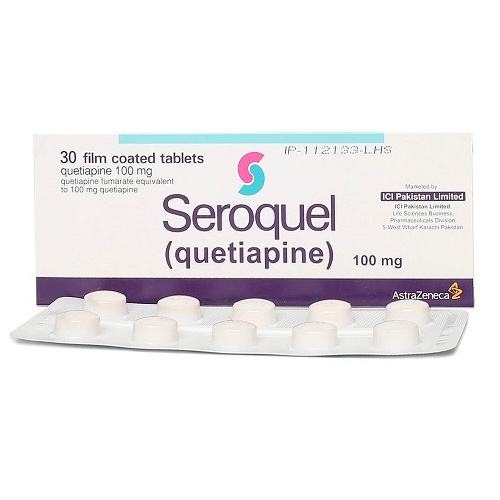
| Brand Name | Seroquel |
|---|---|
| Main Molecule | Quetiapine |
| Primary Use | Treatment of psychiatric conditions (Schizophrenia, Bipolar Disorder, Major Depressive Disorder as adjunct) |
| Typical Strengths Available | 25 mg, 50 mg, 100 mg, 200 mg, 300 mg, 400 mg tablets |
| How Quickly It Starts Working | Initial effects within several days; full benefit in 2-4 weeks for most conditions |
| How Long One Dose Lasts | 6–12 hours (immediate release), up to 24 hours (extended release) |
| Daily or As-Needed? | Regular daily dosing required |
| Prescription Status in United States | Prescription only (FDA-approved) |
Seroquel: An Evidence-Based Guide for Mental Health Treatment in the United States
Seroquel, containing the active compound Quetiapine, is a prescription medication used to treat several mental health conditions. It is legally available in the United States for patients diagnosed with disorders such as schizophrenia, bipolar disorder, and as an add-on for certain cases of major depression. If you are considering Seroquel, understanding its uses, effectiveness, and practical details is essential before making any treatment decisions.
Your Mental Health: Prevalence, Reality, and Hope
Mental health disorders like schizophrenia, bipolar disorder, and depression are among the leading causes of disability worldwide. According to the National Alliance on Mental Illness (NAMI), in 2022, about 1 in 5 adults in the United States experienced some form of mental illness, with approximately 2.8 million adults living with schizophrenia or bipolar disorder. These conditions are both common and treatable; millions manage their symptoms and improve their quality of life with the right combination of medication and support. Recognizing that you are not alone—and that safe, regulated treatment options exist—is an important first step toward effective management.
How Seroquel Works: The Science and the Experience
Seroquel (Quetiapine) acts primarily by influencing the balance of certain neurotransmitters—specifically dopamine and serotonin—in the brain. These chemicals are responsible for regulating mood, perception, and thought. In conditions such as schizophrenia and bipolar disorder, these neurotransmitter systems can become dysregulated, leading to symptoms like hallucinations, mood swings, or depression.
When you take Seroquel, the medication blocks specific receptors for dopamine (D2) and serotonin (5-HT2) in the brain. By moderating dopamine activity, Seroquel helps reduce psychotic symptoms (such as hallucinations and delusions) and stabilizes mood swings. Its effect on serotonin can also contribute to improving depressive symptoms. Most people start to notice early improvements in sleep or agitation within a few days, though the full therapeutic effect—especially on mood or psychosis—may take two to four weeks to become apparent. For many, the practical benefit is a reduction in acute symptoms, fewer relapses, and greater day-to-day stability.
Is Seroquel Right For You? Decision Scenarios
| Situation | Is Seroquel Appropriate? | Why / Why Not? |
|---|---|---|
| You have been diagnosed with schizophrenia or bipolar disorder and have not responded well to other antipsychotics. | Often recommended | Seroquel is effective for both symptom control and mood stabilization, with a favorable side effect profile compared to some alternatives. |
| You have major depressive disorder and your antidepressant alone isn’t working. | Sometimes appropriate as an adjunct | FDA-approved as an add-on (not first-line) when depression is resistant to standard treatment. |
| You are seeking medication primarily for sleep problems without an underlying mental health diagnosis. | Not recommended | Seroquel is not approved for insomnia and carries risks that outweigh benefits for sleep alone. |
| You have a history of significant heart rhythm problems or uncontrolled diabetes. | Caution or alternative needed | Seroquel can affect heart rhythm and may raise blood sugar; these situations require individualized assessment and may make other treatments preferable. |
Choosing Seroquel should be based on a clear diagnosis and consideration of your medical background, including any other medications you take. If your needs match the situations in the first two rows above, Seroquel may be suitable; if you see yourself in the third or fourth scenario, alternatives or additional precautions are needed.
Living With Seroquel: Daily Use and Real-World Tips
- Dosing Schedule: Seroquel is usually taken once or twice daily at the same times, with or without food. Extended-release versions are typically taken in the evening.
- If You Miss a Dose: Take it as soon as you remember, unless it’s almost time for your next dose. Never double up; missing a single dose is usually not critical, but repeated missed doses can lead to symptom relapse.
- What to Expect When Starting: Mild drowsiness or lightheadedness is common in the first days. Avoid driving or operating machinery until you know how you respond.
- If You Do Not Notice Improvement: Clinical benefit may take several weeks. If symptoms persist or worsen after 4-6 weeks, discuss with your prescriber. Never stop Seroquel suddenly—withdrawal can cause rebound symptoms.
- Alcohol and Drug Interactions: Avoid alcohol, as it can enhance sedative effects. Inform your doctor about all other prescription and over-the-counter medications you take.
Always keep regular appointments with your prescribing clinician, as periodic check-ups and laboratory tests are typically required to monitor your health while on Seroquel. If you experience any unexpected or severe effects (discussed below), prompt medical attention is warranted.
Who Should Not Take Seroquel: Contraindications Explained
- Known allergy to Quetiapine or similar drugs: Because of the risk of severe allergic reaction (including rash, swelling, or difficulty breathing).
- Uncontrolled heart rhythm disorders (arrhythmias): Seroquel can prolong the QT interval, increasing risk of dangerous arrhythmias, particularly in those with existing heart problems.
- Severe liver disease: Since Seroquel is primarily metabolized by the liver, it may accumulate and cause toxicity if liver function is significantly impaired.
- Elderly patients with dementia-related psychosis: Seroquel is associated with increased mortality in this population (FDA warning).
If you fall into any of these groups, your doctor will recommend alternative treatments or additional safety measures. Always disclose your full medical history before starting Seroquel or any antipsychotic medication.
Possible Side Effects: Frequency and When to Seek Help
Most people tolerate Seroquel well, but side effects can occur. Here’s what you need to know:
- Common (may affect more than 1 in 10 people): Drowsiness, dry mouth, dizziness, constipation, weight gain, mild increases in cholesterol or blood sugar.
- Occasional (less common): Restlessness, tremor, rapid heartbeat, mild drop in blood pressure (especially when standing up).
- Rare but serious: Signs of severe allergic reaction (swelling of face/tongue, difficulty breathing), persistent high fever and muscle stiffness (possible sign of neuroleptic malignant syndrome), sudden severe confusion or seizures.
For mild symptoms like drowsiness or dry mouth, these often resolve within days to weeks. If you experience persistent or severe symptoms, contact your healthcare provider. If you develop trouble breathing, severe swelling, or symptoms of a medical emergency, call 911 or the Poison Control Center at 1-800-222-1222 immediately.
Drug Interactions: What Not to Combine With Seroquel
- Other central nervous system depressants: Combining Seroquel with alcohol, opioids, or strong sleeping pills can severely increase sedation and risk of respiratory depression.
- Drugs that prolong QT interval: Certain antibiotics (like erythromycin), antiarrhythmics, or other antipsychotics may increase the risk of heart rhythm disturbances.
- Medications affecting liver enzymes: Some antifungals (ketoconazole), certain HIV medications, and anti-seizure drugs can increase or decrease Seroquel levels, affecting efficacy or side effect risk.
Always provide your doctor with a complete list of everything you take—including supplements and over-the-counter products—so they can anticipate and prevent dangerous interactions.
Comparing Seroquel With Alternatives: When Is Quetiapine the Right Choice?
Among antipsychotic medications, Seroquel offers benefits such as fewer movement-related side effects (compared to older antipsychotics like haloperidol) and usefulness in both mood and psychotic disorders. However, it can cause more sedation and weight gain than some newer drugs (such as aripiprazole or lurasidone). For patients with significant sleep disruption accompanying mood disorder, Seroquel’s sedating properties may be helpful; for those where weight gain or diabetes risk is a major concern, alternatives may be preferable.
There is no universal “best” antipsychotic—each has its own profile of risks and benefits. According to the American Psychiatric Association (APA), 2023, the choice should always be tailored to personal medical history, side effect tolerability, and individual response.
Seroquel in Practice: How Much Does It Really Cost in the U.S.?
| Cost item | Amount (USD) | Note |
|---|---|---|
| Initial doctor consultation (in-person or telehealth) | $100 – $250 | Required for diagnosis and prescription |
| Prescription processing | $0 – $25 | Varies; sometimes included in consultation |
| Generic Quetiapine (30 tablets, 100mg) | $15 – $50 | At most U.S. pharmacies with insurance, or up to $100 without insurance |
| Brand Seroquel (30 tablets, 100mg) | $350 – $500 | Significantly more expensive; rarely needed as brand |
| Delivery (mail-order pharmacy) | $0 – $20 | Varies by provider and speed |
| Total | $115 – $795 | Minimum: generic, telehealth, no delivery. Maximum: brand, in-person, with delivery |
Most patients use generic Quetiapine, which is widely available and much less expensive than the brand-name version. Insurance, discount programs, and pharmacy choice can all impact your out-of-pocket cost. Online telehealth services now offer legal prescription consults for psychiatric medications in most states, but a valid diagnosis and U.S.-licensed prescriber are always required. Delivery options have expanded since the COVID-19 pandemic, making home delivery a practical option for many.
What If You Still Have Questions?
Even with the information above, you may wonder how Seroquel will fit your unique situation. For instance, if you have concerns about long-term use, how to taper if you need to switch medications, or how Seroquel may affect specific medical conditions outside those covered in this article, these are best addressed by your own psychiatrist or healthcare provider. Regulations in the United States require a prescription for Seroquel, but telemedicine and primary care pathways have made access more flexible. If you feel uncertain or your situation changes, re-evaluating your treatment plan with a licensed clinician is both standard practice and essential for your safety and well-being.