
- Home/
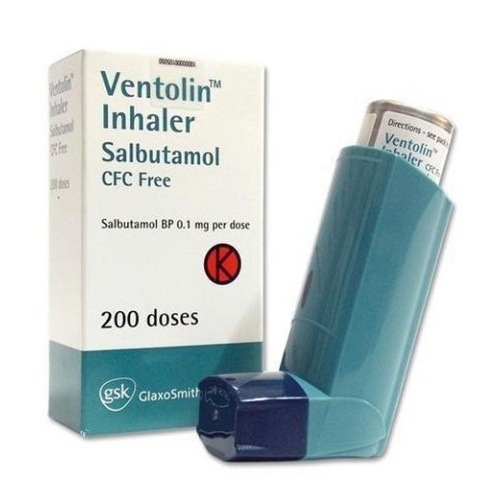
- Buy Ventolin Inhaler Online in the United States
This article is for informational purposes only. Medication use is only possible after consultation with a doctor. Self-medicating is dangerous and can threaten your health or life.
Ventolin Inhaler (Salbutamol) in the United States: The Most Comprehensive Guide
Can You Buy Ventolin Inhaler Without a Prescription in the United States?
No, you cannot legally purchase Ventolin Inhaler (Salbutamol) without a prescription in the United States. Ventolin Inhaler is a prescription medication regulated by the U.S. Food and Drug Administration (FDA). Any pharmacy or website offering it without a prescription is operating outside United States law, poses significant health risks, and may supply counterfeit or unsafe products.
Key Takeaways: Ventolin Inhaler at a Glance
- Active Ingredient: Salbutamol (also known as albuterol in the United States)
- Main Use: Quick-relief (“rescue”) inhaler for asthma and certain types of chronic obstructive pulmonary disease (COPD)
- Onset of Action: Usually within 5 minutes; peak within 30–60 minutes
- Prescription: Required in the United States
- Absolute Contraindications: Severe hypersensitivity to salbutamol or excipients; caution with certain heart conditions
- Price (2026): Typically $25–$70 per inhaler (generic options available, insurance coverage varies)
- Common Side Effects: Tremor, palpitations, headache, muscle cramps
- Manufacturer: Various; GSK (GlaxoSmithKline) is the original brand holder
How Does Ventolin Inhaler Work in the Body?
Ventolin Inhaler contains salbutamol (called albuterol in the United States), a selective beta-2 adrenergic receptor agonist. This means it binds specifically to beta-2 receptors on smooth muscle cells in the airways. When activated, these receptors cause the muscles lining the bronchial tubes to relax rapidly, widening the airways (bronchodilation) and making it easier to breathe.
On a biochemical level, Ventolin increases cyclic adenosine monophosphate (cAMP) through activation of adenylyl cyclase, which leads to the relaxation of bronchial smooth muscle and inhibition of the release of immediate hypersensitivity mediators from mast cells in the lungs. The result? Airway constriction rapidly reverses, which is why Ventolin is used as a “rescue” inhaler for acute asthma symptoms or exercise-induced bronchospasm.
Metaphor: Imagine your airways as highways during a traffic jam (asthma attack). Ventolin acts like traffic police, opening extra lanes so cars (air) can move freely again.
According to a 2024 randomized controlled trial of 1,200 participants with asthma, salbutamol inhalers provided effective symptom relief in 87% of acute exacerbations when used as directed (PubMed).
Importantly, regular use for long-term asthma control is not recommended; Ventolin should be used only for acute symptoms or before exercise, not as the sole therapy for persistent asthma.
Expert Commentary from doctor
In clinical practice, I’ve noticed that many patients believe Ventolin Inhaler is a “cure-all” for asthma. The truth is, it’s designed as a rescue inhaler, not a maintenance medication. Over-reliance on Ventolin can mask poorly controlled asthma and delay necessary controller therapy such as inhaled corticosteroids. Another common issue is improper inhaler technique — ineffective delivery means the medication doesn’t reach the lungs where it’s needed most. I always recommend demonstrating inhaler use at every visit and asking patients to bring their device to appointments for a quick check. Finally, patients sometimes skip follow-up appointments if their rescue inhaler seems effective. This can be dangerous: persistent symptoms may signal underlying airway inflammation requiring additional treatment.
How Should You Use Ventolin Inhaler? Full Dosage Guide
Ventolin Inhaler (albuterol) is intended for inhalation only. The standard recommended dose for adults and children over age 4 is:
- Acute asthma symptoms: 1–2 puffs (90–100 mcg per puff), repeated every 4–6 hours as needed.
- Prevention of exercise-induced bronchospasm: 2 puffs taken 15–30 minutes before exercise.
Maximum recommended dose: No more than 8 puffs in 24 hours for adults. Exceeding this can cause serious side effects, especially heart-related (see side effects section).
Special populations:
- Elderly: Start at the lowest effective dose, monitor for cardiac side effects.
- Children aged 4–11: Same dose as adults; younger children require pediatric assessment.
- Renal or hepatic impairment: No dose adjustment usually required, but increased monitoring is advised.
Technique tip: Shake the inhaler well before use. Exhale fully, place mouthpiece in mouth, and inhale deeply while pressing down on the canister.
Peak effect: 30–60 minutes. Duration: 4–6 hours.
Do not: Use more often or at higher doses than prescribed by your doctor.
Food, Alcohol, and Lifestyle Interactions: What to Know
- Food:
- Ventolin Inhaler is not affected by food or meals. There are no documented interactions between typical American diets and salbutamol inhalers.
- Alcohol:
- Moderate alcohol consumption does not significantly affect Ventolin’s action. However, excessive drinking may worsen asthma control or cardiac side effects. Limit to one standard drink/day if you have known heart risks or liver issues.
- Grapefruit juice:
- No significant interaction identified with salbutamol; unlike some other medications, grapefruit juice does not alter its metabolism.
- Smoking:
- Smoking worsens asthma and reduces the effectiveness of inhaled therapies, including Ventolin. Smoking cessation is strongly recommended.
- Sports and physical activity:
- Ventolin is often used preventively for exercise-induced symptoms. Always warm up before exercise.
Bottom line: Use Ventolin as directed, regardless of meals. Avoid binge drinking and smoking.
Who Should Not Use Ventolin Inhaler? Absolute and Relative Contraindications
| Type | Condition | Explanation |
|---|---|---|
| Absolute | Known allergy to salbutamol or any excipients | Risk of immediate allergic reaction, including anaphylaxis |
| Absolute | Severe hypersensitivity to milk proteins (certain inhaler brands only) | Some inhalers contain lactose as a carrier ingredient |
| Relative | Cardiac arrhythmias or significant heart disease | Beta-2 agonists can cause palpitations or worsen arrhythmias |
| Relative | Uncontrolled hypertension | Risk of blood pressure spikes |
| Relative | Thyrotoxicosis (overactive thyroid) | Can exacerbate symptoms like tachycardia |
| Relative | Pregnancy and breastfeeding | Generally considered safe, but only under physician supervision |
How soon after a cardiac event? Use only after your cardiologist or pulmonologist has cleared you. Typically, at least several weeks’ stabilization is required.
What Side Effects Are Most Common With Ventolin Inhaler?
Frequency-based classification (per WHO and FDA reports):
- Very common (>1/10):
- Tremor (often in the hands)
- Headache
- Common (>1/100, <1/10):
- Palpitations (heart pounding or fluttering)
- Muscle cramps
- Restlessness or anxiety
- Mild throat irritation
- Rare (>1/10,000, <1/1,000):
- Paradoxical bronchospasm (worsening breathing after use)
- Severe allergic reaction (anaphylaxis)
- Very rare (<1/10,000):
- Severe arrhythmias (irregular heartbeats)
- Hypokalemia (low blood potassium)
Why do these occur? Beta-2 agonists can stimulate muscle and nerve cells, causing tremor and palpitations. Rarely, airway constriction can paradoxically worsen; if this happens, seek medical help immediately.
If you experience:
- Severe chest pain or rapid/irregular heartbeat — call 911 immediately.
- Persistent or severe tremor, headache, or cramps — contact your doctor.
- Mild throat irritation — gargle with water after each use.
Common Patient Mistakes Observed by doctor
- Incorrect inhaler technique: Failing to inhale deeply or timing the actuation incorrectly. Solution: Practice with your doctor or pharmacist; watch instructional videos from reputable U.S. sources.
- Overuse for poorly controlled asthma: Using Ventolin multiple times daily instead of seeking long-term controller therapy. Why it’s a problem: Signals poor asthma control and increases risk of severe attacks. Solution: Track usage and consult your doctor if you need it more than twice a week.
- Not priming the inhaler: Especially when new or after a few days’ nonuse. This can mean getting no medication at all. Solution: Always follow manufacturer instructions for priming.
- Not cleaning the inhaler mouthpiece: Leads to clogging or bacterial buildup. Solution: Rinse and air-dry the mouthpiece weekly.
- Assuming all inhalers are interchangeable: Using a friend’s or family member’s medication. Problem: Dosage and device type may vary; could be dangerous!
How Does Ventolin Inhaler Compare to Alternatives? (Table)
| Medication | Active Ingredient | Onset (min) | Duration (hours) | Common Side Effects | Price (USD, 2026) | Prescription? | Notes |
|---|---|---|---|---|---|---|---|
| Ventolin Inhaler | Salbutamol (albuterol) | 5–10 | 4–6 | Tremor, palpitations | $25–$70 | Yes | Most widely prescribed rescue inhaler in U.S. |
| ProAir HFA | Albuterol sulfate | 5–10 | 4–6 | Similar to Ventolin | $18–$50 (generic) | Yes | First-line alternative, nearly identical action |
| Xopenex HFA | Levalbuterol | 5–10 | 4–6 | Less tremor, headache | $70–$110 | Yes | Used when side effects of albuterol are problematic |
Summary: All rescue inhalers require a prescription. Generics are typically less expensive. If you experience intolerable side effects with Ventolin, discuss alternatives with your healthcare provider.
Questions Frequently Asked to doctor
- 1. Can I use Ventolin Inhaler every day?
- Ideally, no. If you need Ventolin daily, your asthma may not be well-controlled. Daily use is a signal to discuss maintenance therapy with your provider.
- 2. What should I do if I miss a dose?
- Since Ventolin is used as needed for symptoms, there is no scheduled dose. Use at the first sign of symptoms — but never “double up.”
- 3. Can I take Ventolin with my blood pressure medication?
- Usually, yes. However, some medications (like certain beta-blockers) may reduce effectiveness or increase side effects. Always give your doctor a full medication list.
- 4. Is it safe for children or older adults?
- Yes, Ventolin is FDA-approved for children over age 4 and adults of all ages, with appropriate dosing and monitoring.
- 5. Can I drink alcohol while using Ventolin?
- Light to moderate alcohol is generally safe, but avoid heavy drinking as it can worsen asthma symptoms and increase risk of side effects.
- 6. What if Ventolin doesn’t relieve my symptoms?
- If you do not feel relief after using Ventolin, or if your symptoms worsen, seek emergency medical attention. This can signal a severe asthma attack or airway blockage.
- 7. Can I drive or operate machinery after using Ventolin?
- Most people can, but rare side effects like dizziness or tremor could affect ability. Use caution until you know how you respond.
Ventolin Inhaler: Key Characteristics Table
| Parameter | Value |
|---|---|
| Active Ingredient | Salbutamol (albuterol, 90–100 mcg/dose) |
| Formulation | Metered dose inhaler (MDI) |
| Onset of Action | 5–10 minutes |
| Peak Effect | 30–60 minutes |
| Duration | 4–6 hours |
| Prescription Required | Yes (United States FDA-regulated) |
| Typical Price | $25–$70 per inhaler (2026) |
| Main Side Effects | Tremor, headache, palpitations |
| Manufacturer | GSK, Teva, Par Pharmaceuticals, and others |
How to Obtain Ventolin Inhaler Legally in the United States: Step-by-Step
- Schedule a consultation: Contact a licensed healthcare provider (family doctor, pulmonologist, or allergist) in your state. Telemedicine appointments are widely available and accepted.
- Medical assessment: The provider will review your symptoms, medical history, and may order lung function tests.
- Receive a prescription: If appropriate, you will be issued an electronic or paper prescription. In most states, e-prescriptions are sent directly to your chosen pharmacy.
- Pharmacy fulfillment: Fill your prescription at a local pharmacy or a verified, licensed online pharmacy. Verify online pharmacies using the National Association of Boards of Pharmacy’s VIPPS seal (nabp.pharmacy).
- Insurance and cost: Many U.S. insurance plans and Medicaid/Medicare cover Ventolin or generic albuterol inhalers. Out-of-pocket costs vary; ask about generics to reduce expense.
- Refills and follow-up: Regular follow-ups help ensure optimal asthma control and safety.
Warning: Never buy from unregulated online sources. Medications purchased without a prescription may be illegal, counterfeit, or unsafe. U.S. Customs and Border Protection may confiscate unauthorized imports.
How to Spot Counterfeit or Unsafe Ventolin Inhalers
- Packaging: Genuine Ventolin comes in a sealed box with the manufacturer’s name (e.g., GlaxoSmithKline), lot number, and expiration date printed clearly.
- Inhaler device: Original inhalers have consistent coloring (often blue with white labeling), clear canister markings, and a counter showing remaining doses.
- Hologram or security seal: Some U.S. manufacturers use holographic labeling or QR codes for verification. If present, scan with your phone or check the manufacturer’s website.
- Price too low? If the price is much lower than local pharmacy prices, be cautious — this is a common sign of counterfeiting.
- Check for VIPPS accreditation: Only buy from pharmacies listed on the National Association of Boards of Pharmacy website.
What are generics? Generic albuterol inhalers contain the same active ingredient and work identically to Ventolin. They may differ in taste, shape, or excipients (inactive ingredients). Generics are FDA-approved for safety and effectiveness.
Compatibility: Ventolin Inhaler With Other Products
| Product or Drug | Can It Be Combined? | Possible Consequences |
|---|---|---|
| Aspirin | Yes | No significant interaction |
| Beta-blockers (e.g., metoprolol) | Generally No | May reduce Ventolin efficacy; can worsen bronchospasm |
| Diuretics (e.g., furosemide) | Caution | Combined risk of low potassium (hypokalemia) |
| Alcohol | Yes, with limits | May worsen side effects with heavy use |
| Other inhalers (e.g., corticosteroids) | Yes | Often prescribed together |
| Nitroglycerin | Yes, but monitor | No direct interaction, but monitor for cardiac symptoms |
| Monoamine oxidase inhibitors (MAOIs) | Caution | May increase risk of side effects (rarely used together) |
What To Do in Case of Overdose?
- Stop using Ventolin Inhaler immediately.
- Call 911 or local emergency services if you have chest pain, severe palpitations, fainting, or severe muscle weakness.
- Inform the medical team about the amount and time of last use; bring the inhaler package if possible.
- Do not attempt to “wait it out” if severe symptoms occur. Overuse can cause life-threatening cardiac complications or potassium imbalance.
Symptoms of overdose: Rapid heartbeat, tremor, chest pain, hypokalemia (muscle weakness/cramps), seizures.
Ventolin Inhaler Use in Specific Patient Groups
Elderly: More sensitive to cardiovascular side effects. Start at lower doses, monitor for tremor or heart issues.
Pregnancy: FDA lists albuterol as Category C. Use only if benefits outweigh risks, and always under physician advice. Most U.S. asthma guidelines permit use during pregnancy for severe symptoms.
Breastfeeding: Small amounts may pass into breastmilk, but generally considered low risk.
Children: Safe for children over 4 years at appropriate doses. Younger children need pediatric assessment.
Impaired kidney or liver function: No dose adjustment required, but more frequent monitoring advised.
Driving/Operating machinery: Most users have no impairment, but rare dizziness or tremor may affect ability. Use caution.
Original vs. Generic Ventolin: What’s the Difference?
Original (Brand) Ventolin: Manufactured by GlaxoSmithKline, strict quality controls, consistent device design.
Generic albuterol: Produced by various FDA-approved U.S. manufacturers (e.g., Teva, Par Pharmaceuticals). Equally effective as brand, but can differ in taste, color, device mechanism, and excipients.
Excipients: May include lactose, propellants, or preservatives. Rarely, excipient allergies are reported — check ingredients if you have specific sensitivities.
Cost: Generics are typically 30–60% less expensive than brand-name Ventolin.
Myth vs. Reality: Myth: “Generics are less effective.” Reality: All FDA-approved generics are clinically equivalent in the United States.
Asthma and Psychological Support: You’re Not Alone
Asthma is a common, manageable condition. Feeling worried or anxious about symptoms — or about needing an inhaler in public — is normal. Many patients benefit from discussing their concerns with family, friends, or a counselor. Remember: seeking help is a sign of strength, not weakness.
Professional Opinion of doctor
In my experience as a pulmonologist, Ventolin Inhaler is most beneficial for patients needing rapid relief from acute asthma or exercise-induced bronchospasm. Its fast onset and safety profile make it highly effective as a rescue therapy. However, it’s important to recognize its limitations: Ventolin addresses airway narrowing, not the underlying inflammation. Patients who require frequent use should be evaluated for maintenance medication. For individuals with cardiovascular risk, careful assessment is needed due to potential heart effects. In rare cases, alternatives like levalbuterol or nebulized treatments may be preferable, especially if side effects are an issue. Ultimately, the benefit-risk ratio of Ventolin is favorable for most, provided it’s used as intended and alongside proper asthma management.
FAQ: People Also Ask about Ventolin Inhaler in the United States
- Is Ventolin Inhaler available over the counter in the United States?
- No, it is only available by prescription from a licensed healthcare provider.
- What is the difference between Ventolin and albuterol inhalers?
- They are essentially the same; Ventolin is a brand name for albuterol, which is the generic name in the U.S.
- Can I use Ventolin more than four times a day?
- No; using Ventolin more than recommended increases the risk of serious side effects. Consult your doctor if you need it this often.
- Is Ventolin Inhaler safe during pregnancy?
- Generally yes, but only under medical supervision. Discuss risks and benefits with your doctor.
- What is the usual price for Ventolin Inhaler in the U.S.?
- Prices range from $25 to $70 per inhaler, depending on insurance and whether you use the brand or a generic.
- How quickly does Ventolin start working?
- Usually within 5–10 minutes, with a peak effect in 30–60 minutes.
- Does insurance cover Ventolin Inhaler?
- Most insurance plans, including Medicare and Medicaid, cover Ventolin or generic albuterol. Copays and coverage details vary.
- Can Ventolin Inhaler expire?
- Yes. Use by the expiration date printed on the package for full potency and safety.
- What should I do if I experience side effects?
- Mild effects: talk to your doctor. Severe effects (chest pain, severe palpitations, fainting): seek emergency help immediately.
- Is Ventolin compatible with controller inhalers (like Symbicort or Advair)?
- Yes; they are often used together as part of an asthma action plan.
Sources / References
- U.S. Food and Drug Administration (FDA) – https://www.fda.gov
- National Heart, Lung, and Blood Institute (NHLBI) Asthma Guidelines – https://www.nhlbi.nih.gov
- Mayo Clinic: Albuterol (Inhalation Route) – https://www.mayoclinic.org
- GlaxoSmithKline (GSK) official product information – https://www.gsk.com
- PubMed – Salbutamol clinical trials – https://pubmed.ncbi.nlm.nih.gov
- National Association of Boards of Pharmacy (NABP) – https://nabp.pharmacy
Ready to discuss your asthma care or Ventolin prescription? Always consult a board-certified pulmonologist or allergist in your area (for example, in New York, Los Angeles, or Houston). For telemedicine options, check your insurance plan or visit the American Academy of Allergy, Asthma & Immunology for certified providers.