
- Home/
- Buy Zithromax Without Prescription in the United States Online
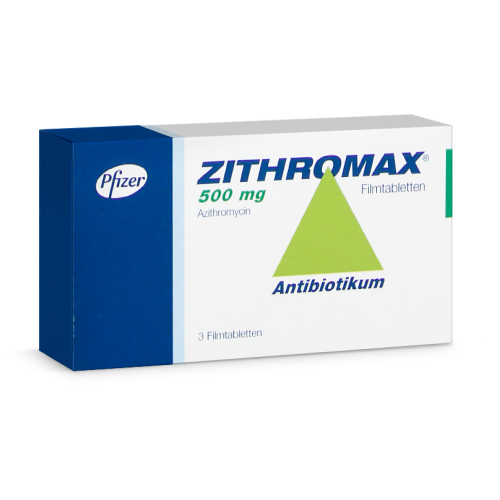
| Medication Name | Zithromax |
|---|---|
| Main Compound | Azithromycin |
| Clinical Use | Treatment of bacterial infections (antibiotic) |
| Formulations Offered | 250 mg and 500 mg tablets; oral suspension |
| Activation Time | Typically within 1–2 days of starting treatment |
| How Long It Works | Continues working up to several days after last dose |
| Course Structure | Usually once daily for 3–5 days |
| Prescription in United States | Required by federal law |
| Estimated Price Range | $20–$60 per course (varies by pharmacy and insurance) |
Zithromax: Key Considerations for Use in the United States
Zithromax, containing the active ingredient Azithromycin, is a prescription antibiotic used to treat a range of bacterial infections, from respiratory tract and sinus infections to certain sexually transmitted diseases. It is legally regulated and available in the United States, with oversight from the FDA ensuring its quality and safety. Whether you are seeking a new treatment, comparing options, or preparing to buy, understanding Zithromax’s role can help you make an informed decision.
Understanding Your Infection: Why the Problem Is Common and Manageable
Bacterial infections such as bronchitis, pneumonia, sinusitis, and certain skin or sexually transmitted infections affect millions of people in the United States every year. According to the Centers for Disease Control and Prevention (CDC), in 2022, over 250 million antibiotic prescriptions were written in outpatient settings nationwide, with Azithromycin among the most commonly prescribed. These data highlight that having a bacterial infection is neither rare nor a cause for shame—it is a widespread issue that is routinely and effectively managed with proper treatment. Recognizing the prevalence and treatability of these infections is the first step toward recovery.
How Zithromax Works in the Body: Mechanism and What That Means for You
- Interrupts Bacterial Growth: Azithromycin, the active substance in Zithromax, blocks bacteria’s ability to make essential proteins. Without these proteins, the bacteria cannot grow or replicate.
- Targets Infection Site Rapidly: After oral intake, Azithromycin is quickly absorbed and accumulates in areas of infection, including the lungs, throat, skin, and urogenital tract.
- Extended Effect: Due to its long half-life, Zithromax continues to act against bacteria for several days even after the last dose, supporting complete eradication of infection.
For most patients, this means symptoms such as fever, pain, or discharge begin to improve within 48 hours of starting therapy, though full recovery may take several days. The extended presence of the medication helps prevent relapses if the dosage schedule is followed as prescribed.
Choosing Zithromax: Who It Fits, Who It Doesn’t, and When to Consider Alternatives
| Situation | Is Zithromax Suitable? | Why/Why Not? |
|---|---|---|
| You have a confirmed or suspected bacterial infection (e.g., sinusitis, bronchitis, chlamydia) and no history of Azithromycin allergy | Yes | Because Zithromax is highly effective against common respiratory and urogenital bacterial pathogens when prescribed properly. |
| You have significant liver disease or known hypersensitivity to macrolide antibiotics | No | Because Azithromycin is processed in the liver and can worsen liver problems or cause reactions in those with allergies to this drug class. |
| You are treating a viral infection (such as the common cold or flu) | No | Because Zithromax does not work against viruses and unnecessary use can contribute to antibiotic resistance. |
| You need a simple, short treatment course due to travel or work constraints | Yes | Zithromax’s once-daily dosing and short course (often 3–5 days) make it convenient compared to some alternatives. |
| Previous antibiotic treatments have failed for your current infection | Maybe | Because it depends on the bacteria involved and prior resistance; a doctor should re-evaluate your case before starting Zithromax. |
These scenarios are not exhaustive; your doctor will consider your full medical history before prescribing Zithromax. If you see yourself in more than one of these descriptions, or your situation is more complex, an individual medical opinion is essential.
Practical Guidance for Using Zithromax: Real-life Application and Common Scenarios
- How to Take: Swallow tablets whole with water, with or without food (taking with food may reduce stomach upset).
- Standard Course: For most infections, the typical regimen is 500 mg on day one, followed by 250 mg once daily for 4 days, or as directed by your physician.
- Missed Dose: Take your missed dose as soon as you remember. If it is almost time for your next dose, skip the missed one—do not double up.
- If No Improvement: If symptoms have not improved after 3 days, or worsen, contact your healthcare provider promptly.
- During Treatment: Complete the full prescribed course, even if you feel better, to prevent relapse and antibiotic resistance.
- What’s Normal: Mild gastrointestinal symptoms (nausea, diarrhea) are common and usually resolve without intervention.
- What Requires Attention: Severe diarrhea, yellowing of the eyes, or skin rash may be signs of a significant reaction—seek medical attention.
Is Zithromax Safe for Me? Contraindications Explained Through Risk
Zithromax is not appropriate for everyone. Avoid using this medication in the following circumstances:
- Liver impairment: If you have active liver disease, Azithromycin may worsen liver function because it is processed mainly by the liver.
- Known allergy to Azithromycin or other macrolides: Risk of severe allergic reactions, including anaphylaxis.
- History of certain heart rhythm disorders: Zithromax can prolong the QT interval in the heart, increasing the risk of arrhythmias, especially in those with a history of such conditions.
- Severe kidney disease: High levels of the drug may accumulate, increasing side effect risk.
Always inform your doctor of your full medical history before starting any antibiotic, especially if you have chronic health conditions or are taking other prescription medications.
Possible Side Effects: What to Expect, What to Watch For
Most people tolerate Zithromax well, but side effects can occur:
- Common (usually mild and temporary): Nausea, abdominal pain, diarrhea, headache. These typically resolve on their own and do not require stopping the medication.
- Occasional (may need attention): Mild skin rash, taste changes, or mild increases in liver enzymes as seen in blood tests.
- Rare but Serious (seek immediate help): Severe allergic reactions (swelling of face or throat, difficulty breathing), severe or bloody diarrhea, yellow skin or eyes (jaundice), or fast/irregular heartbeats. If these occur, call 911 (United States emergency number) or go to the nearest emergency room.
Doctor’s note: “If you notice symptoms that seem out of proportion—such as difficulty breathing or a widespread rash—don’t wait. Immediate medical attention can be lifesaving. While such reactions are rare, it is always better to err on the side of caution.”
Drug Interactions: Combining Zithromax With Other Medications
Some medicines can interact with Zithromax, altering its effectiveness or increasing the risk of side effects:
- Antacids containing aluminum or magnesium: May decrease absorption of Azithromycin—take Zithromax at least 2 hours before or after these products.
- Blood thinners (e.g., warfarin): Zithromax can increase bleeding risk by affecting how the body processes these medications.
- Drugs that prolong QT interval (e.g., certain antiarrhythmics or antipsychotics): When combined, the risk of serious heart rhythm issues increases.
- Other antibiotics: Combining with certain antibiotics may not provide added benefit and can raise the risk of side effects.
Always provide your pharmacist and doctor with an up-to-date list of all medications and supplements you take before starting Zithromax.
Comparing Zithromax to Other Antibiotics: When Is It the Preferred Choice?
| Medication | Strengths | Common Limitations | Best Use Case |
|---|---|---|---|
| Zithromax (Azithromycin) | Short course, convenient dosing, broad coverage for respiratory & some sexually transmitted infections | Less effective against some bacteria (e.g., certain strep), not for all infections | Respiratory tract infections, chlamydia, travelers who need a compact treatment schedule |
| Amoxicillin | Effective for many respiratory and ear infections, generally well-tolerated | Requires multiple daily doses, some bacteria are resistant | Strep throat, ear infections in children, some dental infections |
| Doxycycline | Effective for acne, Lyme disease, certain pneumonias | Photosensitivity, not suitable for children under 8 or pregnant women | Tick-borne illnesses, acne, some STIs |
Zithromax is most advantageous when a short, simple treatment is needed, or in cases where adherence to a longer course is difficult. However, for certain infections (like strep throat), amoxicillin or other agents may be preferred. Your healthcare provider makes this decision based on bacteria type, patient history, and local resistance patterns.
Buying Zithromax in the United States: Process, Price, and What to Expect
Zithromax is a prescription-only medication in the U.S.; federal law requires a valid prescription from a licensed provider. You can obtain it from local retail pharmacies, hospital dispensaries, or reputable online pharmacies that verify your prescription. Some telemedicine services can provide both consultation and prescription, streamlining the process.
| Cost Item | Amount | Note |
|---|---|---|
| Doctor or telemedicine visit | $50–$150 | In-person or online consultation; some insurance plans cover this |
| Prescription fee (if charged separately) | $0–$20 | Varies by provider |
| Zithromax (250 mg x 6 tablets) | $20–$60 | Price varies by pharmacy, insurance, and location |
| Delivery (if ordered online) | $5–$25 | Standard or express, not all pharmacies deliver |
| Total | $75–$255 | Depending on whether you need a visit, prescription, and choose delivery |
Many pharmacies and insurance plans offer generic Azithromycin at a lower price, sometimes with significant discounts or as part of bulk prescription programs. Always confirm the total cost—including consultation and delivery—before placing your order.
Last Details: What Patients Still Ask Before Starting Zithromax
- Can I drink alcohol with Zithromax?
- Moderate alcohol use is not known to interact directly with Azithromycin, but heavy drinking can worsen side effects or slow recovery. It’s best to limit alcohol during your course.
- Is it safe during pregnancy or breastfeeding?
- Zithromax is considered relatively safe during pregnancy when prescribed by a doctor, but always discuss the benefits and risks. Small amounts pass into breast milk; notify your pediatrician if you are breastfeeding.
- How can I be sure I’m getting real Zithromax?
- In the U.S., purchasing from a licensed pharmacy—online or in-person—regulated by the FDA is the safest way to avoid counterfeit medications. Avoid sources that do not require a prescription or have unclear contact details.