
- Home/
- Buy Doxycycline in Online Pharmacy – Fast Delivery in United States
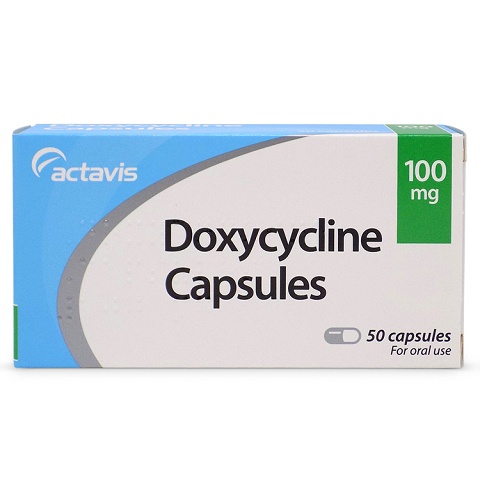
Doxycycline is a prescription antibiotic that tackles a range of bacterial infections from respiratory illnesses to stubborn skin conditions. Far more than just a “strong antibiotic,” its unique profile means it’s often chosen when other antibiotics won’t do — but that makes how, when, and why you take it even more important. Before your first dose, know this: Doxycycline’s risks and benefits depend as much on your situation as on the bacteria it fights.
Why Doctors Choose Doxycycline in Real Life—Not Just on Paper
A teenager walks into clinic with angry red bumps across her cheeks. Across town, a hiker returns from a trip in Connecticut, worried about a tick bite. In a hospital room, a man with pneumonia isn’t responding to standard antibiotics. The same solution keeps surfacing: Doxycycline. It isn’t the default, but for certain infections, it’s the specialist’s first pick.
Doxycycline’s power comes from its range — not just in the types of bacteria it targets, but in the types of patients it can help. Respiratory infections, certain skin problems (like acne and rosacea), tick-borne illnesses (including Lyme disease and Rocky Mountain spotted fever), chlamydia, and even malaria prevention all land in its territory. It’s not just another “strong” antibiotic; it’s the one with a profile flexible enough to handle what others sometimes miss.
Still, doctors don’t hand it out indiscriminately. Its versatility is matched by rules around when and how to prescribe, especially in the United States, where resistance patterns and prescribing culture shape every decision. Understanding why your doctor chose Doxycycline over amoxicillin, azithromycin, or another antibiotic isn’t just academic—it changes what you should watch for, how you take it, and what you expect.
This choice is rarely about “strongest” or “broadest.” It’s about the specifics: your infection, your circumstances, your medical history. If you’ve been prescribed Doxycycline, it’s because its unique strengths—and limitations—fit your case in a way that few antibiotics can. That’s the real story behind the prescription in your hand.
The Doxycycline Experience: What Patients Notice First
The first day on a new antibiotic brings more anxiety than most people admit. Doxycycline is no exception. Some patients expect immediate relief; others brace themselves for side effects they’ve heard about from friends or read online. In reality, the first 48 hours with Doxycycline reveal the medication’s character—and sometimes, the patient’s.
- Gastrointestinal side effects show up early for some: nausea, mild stomach upset, or an unsettled feeling that’s hard to pin down. Taking Doxycycline with food (when allowed) often helps, but not always.
- Sensitivity to sunlight is one of Doxycycline’s calling cards. Even a few minutes of direct sun can lead to a rash or burn, especially in the first week. This isn’t just a rare warning—it happens often enough that doctors mention it every time.
- Quick symptom relief isn’t guaranteed. Some infections respond within 2-3 days; others take a week or more. If you’re expecting to feel better overnight, Doxycycline may frustrate you.
- Pill stuck in the throat? Doxycycline’s tablet is infamous for causing irritation if it lingers. This isn’t a minor annoyance—it can lead to painful esophagitis. Swallow with a full glass of water and stay upright for at least 30 minutes after.
- Photosensitivity
- An increased sensitivity to sunlight or UV rays that can make sunburns or rashes more likely, even with brief exposure. Doxycycline increases this risk substantially in some patients.
Most patients finish their course without drama. But for those who experience these effects, it’s not always clear what’s normal and what’s a sign to call for help. Knowing what’s typical—and what isn’t—gives you control over your own experience with Doxycycline before the first dose leaves the pharmacy.
Doxycycline vs. Alternatives: The Real Clinical Differences
Why not just use amoxicillin or azithromycin? For many infections, either would work — at least in theory. But when the decision comes down to specifics, Doxycycline often edges out its competitors in ways that don’t show up in a quick online comparison.
| Attribute | Doxycycline | Amoxicillin | Azithromycin |
|---|---|---|---|
| Typical Uses | Respiratory infections, acne, tick-borne diseases, chlamydia, malaria prevention | Ear, sinus, throat, urinary tract infections | Respiratory infections, some STIs, traveler’s diarrhea |
| Mechanism of Action | Inhibits bacterial protein synthesis (bacteriostatic) | Inhibits bacterial cell wall synthesis (bactericidal) | Inhibits bacterial protein synthesis (bacteriostatic) |
| Onset of Effect | 1-2 days for some infections, longer for skin conditions | Usually within 1-2 days | Usually within 1-2 days |
| Common Side Effects | GI upset, photosensitivity, esophagitis | Rash, diarrhea, allergic reactions | GI upset, prolonged QT interval (rare), taste changes |
| Contraindications | Pregnancy, children under 8, severe liver disease | Severe allergies to penicillins | Liver disease, prolonged QT syndrome |
| Adherence Factors | Requires upright posture, caution in sun, multiple days | Simple dosing, few restrictions | Shorter course (often 3-5 days) |
| Prescription Status (U.S.) | Prescription-only | Prescription-only | Prescription-only |
| Typical Cost | Low (generic available), may vary by insurance | Low (generic available) | Low (generic available) |
The differences aren’t just in side effects or spectrum. Doxycycline’s unique value lies in how and when it is prescribed: it covers “atypical” pathogens, is effective for tick-borne diseases, and is the preferred option for certain sexually transmitted infections where other antibiotics may fail or contribute to resistance. Its limitations? Kids under 8, pregnant women, and anyone who can’t reliably avoid sun exposure or manage GI effects may be better off with a different antibiotic.
In U.S. practice, Doxycycline takes the spotlight when the infection — or the patient — doesn’t fit the usual mold. That’s why your doctor picked it, and that’s why the experience won’t be quite like “just another antibiotic.”
Who Should Avoid Doxycycline—And Why
The wrong match between antibiotic and patient rarely ends with just a missed cure. For Doxycycline, the risks are specific — and in some cases, absolute. These aren’t just technicalities buried in the fine print; they’re the difference between safe treatment and real harm.
- You are pregnant (especially in the second or third trimester): Doxycycline can cause permanent tooth discoloration and bone growth problems in the developing fetus. Your doctor will choose a safer alternative.
- Your child is under 8 years old: The risk of permanent staining of the teeth and effects on bone growth mean Doxycycline is almost never used in young children except for life-threatening infections with no alternatives.
- You have a history of severe allergy to tetracycline antibiotics: Rash, swelling, or breathing problems after a previous course are an absolute stop sign.
- You have severe liver disease: Doxycycline is metabolized by the liver and can worsen liver function in patients with significant impairment.
- Absolute Contraindication
- A situation where the medication must never be used because the risk of harm outweighs any possible benefit.
- Relative Contraindication
- A situation where the risks may outweigh the benefits for most, but the medication could still be used with caution in exceptional cases.
Other scenarios require more nuance:
- Breastfeeding: Evidence is mixed, but most doctors prefer to avoid Doxycycline unless alternatives are unavailable and the benefit outweighs the possible risk to the infant.
- History of esophageal disease: Since Doxycycline can cause severe irritation if it gets stuck, anyone with difficulty swallowing or known esophageal problems should discuss options with their doctor.
- Photosensitivity risk: For patients who spend long hours outdoors, especially in the summer, other antibiotics may be safer choices.
The bottom line: Doxycycline is safe for most healthy adults, but for certain groups, the risks are serious — and non-negotiable. That’s why in the United States, a prescription is not just a formality, but a checkpoint for safety.
How to Take Doxycycline (Without Regretting It)
The difference between “a rough week on antibiotics” and “a missed infection” is often in the details. Doxycycline’s quirks mean the instructions you get at the pharmacy aren’t just there for legal reasons — they’re there because missing a step can land you in real trouble.
| Condition | Usual Adult Dose | Duration |
|---|---|---|
| Acute bacterial respiratory infection | 100 mg twice daily | 7-10 days |
| Tick-borne infection (Lyme, RMSF, etc.) | 100 mg twice daily | 7-14 days |
| Chlamydia | 100 mg twice daily | 7 days |
| Acne/Rosacea | 50-100 mg once or twice daily | Several weeks to months (as directed) |
| Malaria prevention | 100 mg daily | Start 1-2 days before travel, continue during travel, and for 4 weeks after leaving area |
Getting the timing right matters. Swallow each dose with a full glass of water, and stay upright for at least 30 minutes. Lying down too soon risks the dreaded “Doxycycline burn” in your throat. Taking it with food can reduce stomach upset, but avoid dairy—milk, cheese, and calcium supplements interfere with how your body absorbs the drug.
- Take at the same time each day to keep levels steady.
- Finish the full course—even if you feel better early—unless your doctor tells you otherwise.
- If you miss a dose, take it as soon as you remember, unless it’s nearly time for the next dose (never double up).
- Protect yourself from the sun while taking Doxycycline and for several days after your last dose.
Every instruction has a reason rooted in either clinical experience or hard data. If something in your routine makes these guidelines hard to follow, discuss it with your physician—there may be a better antibiotic for you.
Which Side Effects Matter Most with Doxycycline—And When to Act
Not every discomfort on antibiotics is a sign of trouble. But Doxycycline’s side effects have a pattern — some are common and harmless, others are rare but require immediate action. The real challenge? Knowing the difference when you’re the one experiencing them.
- Is nausea normal, or a reason to stop?
- Mild nausea or stomach upset is one of Doxycycline’s most frequent complaints. It usually improves if you take the medication with food.
- What about diarrhea?
- Loose stools can happen, but severe, watery diarrhea (especially with blood) may signal Clostridioides difficile infection, which can be serious. Call your doctor if it’s persistent or severe.
- If I get a rash, how do I know if it’s dangerous?
- A mild sun-related rash is common, but hives, swelling, or a rapidly spreading rash may indicate an allergic reaction. If accompanied by trouble breathing, seek emergency care.
- What about headaches or vision changes?
- These are rare, but Doxycycline can cause increased intracranial pressure (“pseudotumor cerebri”)—especially in young women. Persistent headache or vision changes need immediate attention.
- If I feel chest pain after swallowing my pill?
- Painful swallowing can signal esophageal irritation or even an ulcer. Contact your doctor if pain persists, especially if you didn’t follow the upright and water advice.
| Side Effect | Frequency | When to Contact Your Doctor |
|---|---|---|
| Nausea, stomach upset | Common (up to 25%) | If severe/vomiting persists |
| Photosensitivity (sunburn/rash) | Common (10-20%) | If rash is severe or blistering |
| Diarrhea | Occasional (5-10%) | If persistent, severe, or bloody |
| Esophageal irritation/ulcer | Less common (1-3%) | If pain with swallowing or chest pain develops |
| Allergic reaction (rash, hives, swelling) | Rare (<1%) | Immediately if trouble breathing or swelling |
| Pseudotumor cerebri (headache, vision changes) | Rare (<0.5%) | Immediately if severe headache or vision changes occur |
Most side effects are transient and manageable. But the ones that matter most — severe diarrhea, swallowing pain, serious rash, or neurologic symptoms — demand quick action. When in doubt, err on the side of caution. Your provider would rather you call about a false alarm than ignore a real warning sign.
Doxycycline and the Rest of Your Medications: Interactions That Matter
The average American over 40 takes at least one other prescription drug. For Doxycycline, the interaction risks are sometimes subtle — not the cross-out red flags, but changes in effectiveness or hidden side effects that aren’t obvious until days or weeks into treatment.
- Antacids and calcium supplements: Block Doxycycline absorption. Separate doses by at least 2 hours.
- Iron supplements and some multivitamins: Same problem as antacids—avoid within 2 hours of Doxycycline.
- Blood thinners (warfarin): Doxycycline can increase the effect of warfarin, raising your bleeding risk. Lab monitoring may be needed.
- Seizure medications (phenytoin, carbamazepine): Can lower Doxycycline levels, making it less effective.
- Some oral contraceptives: While evidence for reduced effectiveness is slim, some clinicians still advise backup contraception during antibiotic courses, especially with GI side effects.
The safest move? Bring your full medication (and supplement) list to every appointment. If anything changes—especially if you rely on antacids or blood thinners—remind your doctor and pharmacist before starting Doxycycline.
“The interactions that worry me most are the silent ones—the pill you forget to mention that can make Doxycycline less effective, or the supplement you pick up at the drugstore that blocks absorption. If you have any doubts, ask. What seems minor to you could change the outcome of your treatment.”
– Infectious Disease Specialist, United States
Accessing Doxycycline in the United States: Pricing, Prescriptions, and What to Expect
Doxycycline is one of the few antibiotics that routinely appears on “$4 prescription” lists at major U.S. pharmacies. But the story of getting it — and paying for it — is more complicated than a price tag or an insurance copay.
- Prescription-Only: In the U.S., Doxycycline cannot be legally purchased without a doctor’s prescription. Telemedicine providers can prescribe it for eligible conditions; “online pharmacy” offers without a prescription are either illegal or unsafe.
- Generic vs. Brand: Almost all U.S. patients receive generic Doxycycline hyclate or monohydrate. Brands (like Vibramycin) are rarely used due to equivalent effectiveness and much higher cost.
- Insurance and Cost: Most insurance plans cover generic Doxycycline as a Tier 1 medication with a low copay. For uninsured patients, out-of-pocket costs can be as low as $4–$10 for a standard week-long course.
- Pharmacy Practice: U.S. pharmacists are required to provide counseling with every new antibiotic prescription. This is your best chance to clarify any confusion about dosing, timing, or side effects before you leave the store.
Access is rarely the barrier. The challenge is knowing when Doxycycline is the right match for your infection, and whether your insurance or pharmacy will require a “preferred” alternative first. If you’re facing a high copay or a delay, discuss alternatives or coupon programs with your pharmacist—they can often help.
As with all antibiotics, never attempt to stockpile or share Doxycycline. Doing so risks your health and contributes to resistance that affects everyone. The U.S. system is strict on this point for a reason.
Frequently Asked Questions About Doxycycline in the United States
- How soon should I expect to feel better once I start Doxycycline?
- It depends on the infection. Some conditions—like respiratory or urinary tract infections—may improve within 48–72 hours. Acne or chronic conditions can take several weeks. If symptoms don’t improve after 3–5 days for acute infections, contact your doctor.
- Can I drink alcohol while taking Doxycycline?
- Light to moderate alcohol use is not strictly contraindicated, but heavy drinking can increase the risk of liver side effects or reduce effectiveness. If you have liver issues or are on a long course, discuss with your provider first.
- Why does Doxycycline make me so sensitive to the sun?
- Doxycycline increases your skin’s reaction to UV rays, making sunburns or rashes more likely—even with short exposure. This effect is due to the way the medication changes cellular reactions to sunlight. Always use high-SPF sunblock and avoid tanning beds while on Doxycycline.
- What should I do if I miss a dose of Doxycycline?
- Take it as soon as you remember, unless it’s nearly time for your next dose. Never double up. Missing one dose usually doesn’t affect treatment, but frequent missed doses may reduce effectiveness.
- Is Doxycycline safe during pregnancy or breastfeeding?
- It is not considered safe during pregnancy (especially the second and third trimesters) because of risks to the fetus. While small amounts pass into breast milk, most U.S. guidelines recommend avoiding Doxycycline during breastfeeding unless no alternatives exist.
- Does Doxycycline affect birth control pills?
- Most studies show Doxycycline does not significantly reduce the effectiveness of contraceptive pills. However, some providers recommend using additional protection if you experience vomiting, diarrhea, or other factors that could affect absorption.
- Why does my doctor ask if I have trouble swallowing pills?
- Doxycycline tablets can irritate the esophagus if they get stuck, sometimes leading to painful ulcers. If you have trouble swallowing or a history of esophageal problems, another antibiotic may be safer for you.
Sources / References
- U.S. Food and Drug Administration (FDA) – https://www.fda.gov/
- Doxycycline Prescribing Information, FDA, 2023
- Centers for Disease Control and Prevention (CDC) – Doxycycline and Tickborne Diseases – https://www.cdc.gov/tickborne-diseases/index.html
- Infectious Diseases Society of America (IDSA) Guidelines – https://www.idsociety.org/practice-guideline/antimicrobial/
- PubMed – U.S. National Library of Medicine – https://pubmed.ncbi.nlm.nih.gov/
- Mayo Clinic – Doxycycline (Oral Route) – https://www.mayoclinic.org/drugs-supplements/doxycycline-oral-route/description/drg-20072063
- American Academy of Dermatology – Antibiotic Use in Acne
- ClinicalTrials.gov – https://clinicaltrials.gov/