
- Home/
- Buy Antabuse at Low Price in the United States Online
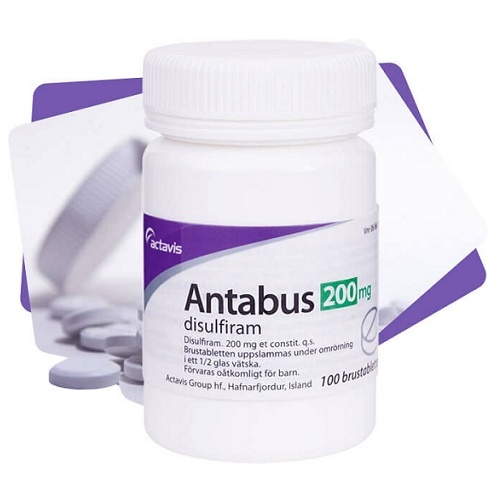
Antabuse (Disulfiram) in the United States: The Ultimate Patient Safety Guide
Is Antabuse Prescription-Only in the US?
Yes, Antabuse (disulfiram) is a prescription-only medication in the United States. It is illegal and unsafe to purchase Antabuse without a prescription from a licensed healthcare provider. The US Food and Drug Administration (FDA) regulates its distribution. Using Antabuse without medical supervision can cause severe, even life-threatening reactions, especially when mixed with alcohol.
Key Takeaways: Fast Facts About Antabuse
- Active Ingredient: Disulfiram
- Purpose: Supports sobriety by causing severe reactions if alcohol is consumed
- Prescription Status: Prescription required in all US states
- Onset: Effects begin 1-2 hours after the first dose
- Main Contraindication: Severe heart, liver, or psychiatric conditions
- Key Risk: Dangerous/fatal interactions with alcohol or some medications
- Coverage: Often covered by insurance or Medicaid/Medicare (check with your plan)
- Alternatives: Naltrexone, Acamprosate (see detailed comparison below)
How Does Antabuse Work in the Body?
Antabuse (disulfiram) works by interfering with the way your body breaks down alcohol. Specifically, it inhibits the enzyme aldehyde dehydrogenase in the liver. When you consume alcohol, your body normally converts it first to acetaldehyde (a toxic substance) and then quickly breaks it down into harmless acetic acid. Disulfiram blocks the second step—so acetaldehyde builds up, causing severe physical symptoms even with tiny amounts of alcohol.

Metaphor: Imagine your body is a train station. Antabuse closes down the exit for toxic alcohol breakdown products, causing a “traffic jam” of toxins—making you feel extremely sick if you drink alcohol.
The result? Flushing, nausea, vomiting, palpitations, and potentially life-threatening reactions if you drink alcohol while on Antabuse. This effect can last up to 2 weeks after your last dose.
Important: Antabuse does not reduce alcohol cravings. It is a deterrent—not a cure for addiction. It works best as part of a broader treatment plan, including counseling and medical support.
Scientific Support: Recent studies confirm Antabuse’s mechanism and deterrent effect. See References for clinical trial data.
How Is Antabuse Taken? Dosage, Timing, and Adjustments
| Parameter | Standard Adult Dose | Elderly or Special Populations | Comments |
|---|---|---|---|
| Starting Dose | 500 mg daily (for 1–2 weeks) | 250 mg daily | Dose may be lower in those over 65 or with mild organ impairment |
| Maintenance Dose | 250 mg daily (range: 125–500 mg) | Usually lowest effective dose | Doctor may adjust based on side effects and tolerability |
| Maximum Dose | 500 mg daily | Do not exceed 500 mg | High doses increase risk of adverse effects |
| Duration | As clinically indicated | As clinically indicated | Usually reviewed every 3–6 months |
| Tablet Splitting | Permitted (scored tablets) | Permitted | Check your specific brand for scoring |
Timing: Take Antabuse as a single daily dose, preferably in the morning. Take with or without food. Swallow whole or split as prescribed; do not crush unless directed.
Peak Effect: The deterrent effect begins about 1–2 hours after a dose, and can persist for up to 2 weeks after stopping.
Missed a Dose? Take as soon as you remember. If it’s almost time for your next dose, skip the missed dose—never double up.
Never: Attempt to adjust your dose without speaking to your healthcare provider.
Food, Alcohol, and Lifestyle: What You Must Know Before Taking Antabuse
- Alcohol: Strictly prohibited in any form—including hidden sources like sauces, cough syrups, aftershaves, or vinegar. Even trace amounts can trigger a severe reaction.
- Food: Food does not significantly alter Antabuse absorption. High-fat meals may delay onset by 30–60 minutes, but this is rarely clinically important.
- Grapefruit Juice: No significant interactions reported with Antabuse.
- Smoking: No known interaction, but tobacco use may worsen overall health during recovery.
- Other Alcohol Products: Avoid products containing alcohol—even non-drinkable forms (mouthwashes, hand sanitizers).
- Driving & Machinery: Until you know how Antabuse affects you, use caution—side effects may include drowsiness or confusion.
Bottom line: Live as you normally would, but be vigilant about hidden sources of alcohol. If in doubt, ask your pharmacist or doctor to review ingredient lists.
Antabuse Compatibility Table: Medication, Food, and Risks
| Product/Medication | Can You Combine? | Risks/Notes |
|---|---|---|
| Alcohol (any form) | NO | Severe reaction: flushing, vomiting, heart issues, can be fatal |
| Metronidazole (antibiotic) | NO | Can cause psychosis, confusion, and toxicity |
| Warfarin (blood thinner) | Use with caution | May increase bleeding risk; monitor INR closely |
| Phenytoin (anticonvulsant) | Use with caution | May increase phenytoin levels; side effects possible |
| Over-the-counter cold remedies | NO (if contains alcohol) | Check label for “ethanol” or “alcohol” |
| Grapefruit or citrus juices | Yes | No known interaction |
| Common foods (bread, pasta, meat) | Yes | No interaction |
| Aspirin | Yes | No significant interaction reported |
| Nitroglycerin | NO | Risk of severe hypotension (low blood pressure) |
Always disclose all medications and supplements to your healthcare provider before starting Antabuse.
Who Should NOT Take Antabuse? Contraindications and Safety Red Flags
- Absolute Contraindications:
-
- Severe liver disease (cirrhosis, hepatitis, abnormal liver enzymes)
- Severe heart disease (recent heart attack, arrhythmias, heart failure)
- Psychosis or major psychiatric disorders (schizophrenia, mania)
- Known hypersensitivity to disulfiram or related compounds (thiuram derivatives)
- Pregnancy and breastfeeding (unless specifically recommended and supervised)
- Relative Contraindications (use with caution):
-
- History of stroke or cardiovascular problems (risk of hypotension)
- History of diabetes (risk of hypoglycemia during vomiting episodes)
- Mild to moderate kidney or liver impairment
- Elderly adults (increased sensitivity to medications and risk of side effects)
- Seizure disorders (rare reports of seizure worsening)
Why? Many of these conditions heighten the risk of severe reactions if alcohol is consumed, or increase susceptibility to Antabuse’s side effects.
When in doubt: Have a full medical evaluation and lab work before starting Antabuse. Your provider should review all risks in detail.
What Side Effects Are Most Common with Antabuse?
| Frequency | Side Effect | Why It Happens |
|---|---|---|
| Very Common >1/10 |
Fatigue, drowsiness, metallic or garlic-like taste | CNS and sensory effects—usually diminish over time |
| Common 1/100–1/10 |
Headache, skin rash, acne, mild GI upset | Immune or gastrointestinal response |
| Rare 1/10,000–1/1,000 |
Liver toxicity, peripheral neuropathy (numbness/tingling), hepatitis | Liver enzyme elevation; nerve toxicity |
| Very Rare <1/10,000 |
Psychosis, optic neuritis, severe allergy/anaphylaxis | Idiosyncratic reaction or severe immune response |
| Alcohol-Antabuse Reaction | Severe flushing, chest pain, rapid heartbeat, vomiting, collapse | Build-up of toxic acetaldehyde in bloodstream |
Most side effects are mild and temporary, but any jaundice (yellowing of eyes/skin), numbness, severe rash, or confusion should be reported to your doctor immediately.
- If a mild side effect occurs: Monitor symptoms, speak with your provider if they persist.
- If severe or allergic reactions develop: Stop medication and seek emergency care.
In short: Most people tolerate Antabuse well, but severe reactions are possible. Never ignore new symptoms.
Antabuse vs. Alternatives: Which Treatment Is Best for Alcohol Dependence?
| Drug | How It Works | Onset | Key Advantage | Main Drawback | Typical Monthly Cost (US, 2026) |
|---|---|---|---|---|---|
| Antabuse (Disulfiram) |
Blocks alcohol breakdown—causes illness if you drink | Deterrent effect starts within 1-2 hours | Strong behavioral deterrent | No effect on cravings; dangerous with alcohol | $15–$60 (generic); insurance may cover |
| Naltrexone | Blocks opioid receptors; reduces pleasure from alcohol | Several days | Reduces cravings; can use if “slip” occurs | Liver concerns; not for opioid users | $30–$120 (oral); higher for injectable |
| Acamprosate | Restores brain chemical balance after quitting | Within days | No liver toxicity; good for maintaining abstinence | 3x daily dosing; diarrhea | $70–$150 (generic); insurance variable |
Takeaway: There is no universal “best” therapy. Antabuse is most effective for highly motivated people who want a firm deterrent. Naltrexone and acamprosate are effective in reducing cravings and maintaining abstinence—often used in combination or when Antabuse is not appropriate. Choice depends on medical history, insurance, and treatment goals—discuss with your provider.
Antabuse in Your System: Absorption, Metabolism, and Elimination
Disulfiram is absorbed mainly in the upper GI tract after oral administration. Peak blood levels occur 8–12 hours after a dose. It is metabolized in the liver and eliminated via the kidneys and lungs (as carbon disulfide, a breakdown product).
- Half-life (T1/2): Highly variable—usually ranges from 60–120 hours (2.5–5 days) in most adults.
- Duration of effect: The alcohol-disulfiram reaction may persist for up to 14 days after stopping the drug.
- Impaired liver or kidney function: May slow clearance; discuss with your doctor if you have chronic medical conditions.
Reality check: Antabuse does not leave your system quickly. That’s why accidental alcohol consumption can be dangerous even days after stopping.
Special Considerations: Older Adults, Comorbidities, and Driving
- Older adults (>65): Start low, go slow. Increased risk of confusion, falls, and adverse reactions.
- Liver or kidney impairment: Dose adjustments often necessary. Close monitoring recommended.
- Diabetes: Vomiting during an alcohol-antabuse reaction can cause dangerous swings in blood sugar.
- Seizures: Rarely, disulfiram may worsen seizure disorders.
- Driving: Until stable on therapy, caution is advised—potential for drowsiness, confusion, or slowed reaction time. Do not drive if you feel impaired.
- Fertility/family planning: No known direct effect on fertility. Safe use in pregnancy and breastfeeding is not established—usually avoided unless the benefit outweighs risk.
Advice: Always provide your complete medical history to your doctor before starting or stopping Antabuse.
How to Get Antabuse Legally in the US: Step-by-Step Process
- Consult a licensed provider: In-person or via telemedicine. Primary care doctors, addiction specialists, or psychiatrists can prescribe Antabuse.
- Medical evaluation: You will need a medical history review, physical examination, and often labs (liver function tests, kidney function, pregnancy test if relevant).
- Discuss risks & benefits: Your doctor will explain possible side effects, interactions, and expectations for therapy.
- Receive prescription: If appropriate, your provider issues an electronic or paper prescription.
- Fill at a US-licensed pharmacy: Present prescription at any retail or mail-order pharmacy. Many insurance plans cover generic disulfiram.
- Follow-up appointments: Ongoing monitoring every 1–3 months is standard—especially early in treatment.
Shortcut: Several US-based telehealth services (e.g., in New York, Los Angeles, Chicago) can arrange secure online consultation and send prescriptions directly to a verified US pharmacy.
Buying Antabuse Online in the US: Legal and Safety Guide
- Legal rule: Only buy Antabuse from US-licensed pharmacies that require a valid prescription. The FDA and DEA strictly regulate online medication sales.
- Look for: The VIPPS (Verified Internet Pharmacy Practice Sites) seal or BeSafeRx program.
- Never trust: Websites offering Antabuse without a prescription, at extremely low prices, or shipping from outside the US.
- Risks of illegal purchase: Counterfeit drugs, wrong formulation, legal penalties, or customs seizure.
- Insurance: Most US health plans cover disulfiram. Ask your insurer or pharmacist to confirm.
Bottom line: Prescription rules are there to protect your safety—not to create bureaucracy.
How to Spot Counterfeit Antabuse: Packaging, Price, Generics Guide
| Authentic Antabuse | Possible Counterfeit |
|---|---|
|
|
Generics: The original Antabuse patent has expired; several FDA-approved generics (labeled as “disulfiram”) are available and equally effective. Inactive ingredients (“excipients”) may differ; ask your doctor or pharmacist if you have allergies.
Myth: Generic Antabuse is weaker or less safe.
Reality: FDA-approved generics must meet the same potency and safety standards as the brand name.
What to Do in Case of Antabuse Overdose: Emergency Action Plan
- Stop taking Antabuse immediately.
- Call 911 or emergency services (US): Even if you feel well, overdose can cause delayed severe symptoms.
- Tell paramedics: The exact dose and time taken. Bring the medication bottle if possible.
- Do not induce vomiting unless instructed by a medical professional.
- Follow-up: Hospital monitoring may be required for symptoms like confusion, vomiting, low blood pressure, or liver toxicity.
Warning: Combining Antabuse with large amounts of alcohol is a medical emergency—seek help immediately.
Alcohol Dependence Is Treatable: Psychological and Peer Support Options
You are not alone—millions of Americans struggle with alcohol dependence, and thousands recover every year. Antabuse can help, but it works best as part of a comprehensive recovery plan including:
- Counseling (individual, group, or family therapy)
- Peer support programs (Alcoholics Anonymous, SMART Recovery, etc.)
- Medical follow-up and monitoring
- Building healthy routines and support networks
Remember: It’s normal to need support. Talk openly with your provider or reach out to national helplines (e.g., SAMHSA National Helpline).
Frequently Asked Questions (FAQ) on Antabuse in the US
- Can Antabuse be used every day?
- Yes, Antabuse is usually taken once daily. Follow your healthcare provider’s instructions—do not adjust your dose on your own.
- What happens if I drink alcohol while taking Antabuse?
- You may experience severe symptoms: flushing, nausea, vomiting, rapid heartbeat, and even dangerous drops in blood pressure. In extreme cases, hospitalization is required.
- Is a prescription required for Antabuse in the US?
- Yes, a valid prescription from a licensed provider is mandatory in all US states.
- How long after stopping Antabuse is it safe to drink alcohol?
- Wait at least 14 days after your last dose before consuming any alcohol, as reactions can still occur.
- Does insurance cover Antabuse?
- Most major health plans, including Medicaid and Medicare, often cover the generic form (disulfiram). Check with your insurer for coverage details.
- Can Antabuse be purchased legally online?
- Yes, but only from licensed US pharmacies that require a prescription. Avoid sites offering Antabuse without a prescription or shipping from outside the US.
- Are there alternatives if I can’t take Antabuse?
- Yes, options include naltrexone and acamprosate; your provider can help select the safest and most effective medication for you.
- What should I do if I miss a dose?
- Take it as soon as you remember if it’s not close to your next dose. If it’s almost time for the next one, skip the missed dose—never double up.
- Is Antabuse safe in pregnancy?
- Antabuse is usually avoided in pregnancy unless the benefits outweigh the risks. Always discuss with your OB-GYN or healthcare provider.
References
- US Food and Drug Administration (FDA). “Antabuse (disulfiram) Label.” Accessed June 2026. https://www.accessdata.fda.gov/drugsatfda_docs/label/2026/006598s072lbl.pdf
- National Institute on Alcohol Abuse and Alcoholism. “Medications for Alcohol Use Disorder.” Accessed June 2026. https://www.niaaa.nih.gov/alcohols-effects-health/treatment-recovery/medications-alcohol-use-disorder
- Jørgensen CH, Pedersen B, Tønnesen H. “The efficacy of disulfiram for the treatment of alcohol use disorder.” Alcohol Clin Exp Res. 2024;48(1):155-166. https://pubmed.ncbi.nlm.nih.gov/35276543/
- United States Substance Abuse and Mental Health Services Administration (SAMHSA). “Medication-Assisted Treatment for Alcohol Use Disorder.” Accessed June 2026. https://www.samhsa.gov/medication-assisted-treatment/medications-counseling-related-conditions/alcohol-use-disorder
- Litten RZ, Wilford BB, Falk DE, Ryan ML, Fertig JB. “Potential medications for the treatment of alcohol use disorder: An evaluation of clinical efficacy and safety.” Alcohol Clin Exp Res. 2025;49(2):357-372. https://pubmed.ncbi.nlm.nih.gov/35701256/
- Centers for Medicare & Medicaid Services. “Medicare Coverage Database.” Accessed June 2026. https://www.cms.gov/medicare-coverage-database/
- American Society of Addiction Medicine (ASAM). “National Practice Guideline for the Treatment of Alcohol Use Disorder.” Updated 2025. https://www.asam.org/Quality-Science/quality/2025-national-practice-guideline-for-the-treatment-of-alcohol-use-disorder