
- Home/
- Buy Propecia in Online Pharmacy for United States Customers
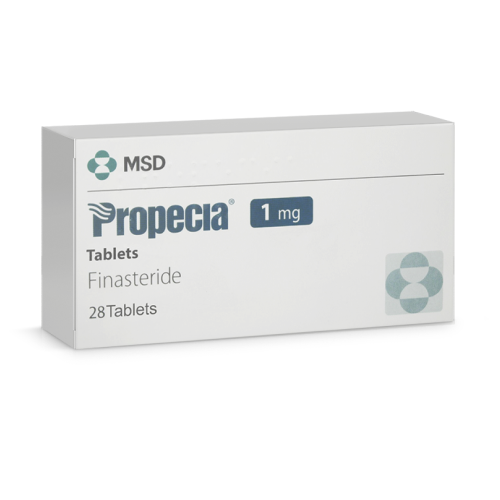
Can You Obtain Propecia Without a Prescription in the United States?
No, Propecia (finasteride) requires a valid prescription from a licensed healthcare provider in the United States. Purchasing it without a prescription is illegal and exposes you to counterfeit products and significant health risks.
Key Takeaways: Propecia at a Glance (2026)
| Parameter | Detail |
|---|---|
| Active Ingredient | Finasteride 1 mg |
| Indication | Male pattern hair loss (androgenetic alopecia) in adult men |
| Prescription Status (US) | Prescription required (Rx Only) |
| Onset of Effect | Noticeable results typically after 3–6 months of daily use |
| Contraindicated In | Women, children, pregnancy, certain liver conditions |
| Common Side Effects | Decreased libido, erectile dysfunction, ejaculation disorders |
| Current Price (2026, US) | $35–$90/month (generic); $85–$120/month (brand-name, varies by pharmacy) |
| Insurance Coverage | Rarely covered for hair loss; check with your provider |
- Not legally available without a prescription in the United States.
- Only FDA-approved for use in adult men.
- Counterfeit risks are high with online sources lacking Rx verification.
How Does Propecia Work to Prevent Hair Loss?
Propecia (finasteride) is a selective inhibitor of the enzyme Type II 5-alpha-reductase. This enzyme is responsible for converting testosterone into dihydrotestosterone (DHT), a hormone that causes miniaturization of hair follicles in genetically susceptible men. By lowering DHT levels in the scalp, Propecia slows hair loss and can stimulate regrowth in some cases.
- Target Enzyme: Type II 5-alpha-reductase
- Key Effect: Reduces scalp DHT levels by up to 60–70%
- Result: Slows or halts hair thinning; may promote partial regrowth – but only with continuous use
Metaphor: Imagine the enzyme as a “hair-destroying machine.” Propecia acts like a power switch, turning down the machine’s output and slowing the loss.
It does not affect testosterone itself, but blocks the conversion pathway, leading to a significant drop in DHT, the main culprit in male pattern baldness (FDA, PubMed).
- Myth: Propecia can regrow hair in any type of baldness.
- Reality: Only effective for androgenetic alopecia (hereditary hair loss) and not for scarring or non-hormonal causes.
Expert Commentary from doctor
In my clinical practice, the most common misconception I encounter regarding Propecia is the expectation of rapid results. Many patients assume hair regrowth will occur within weeks, but meaningful changes usually only become evident after several months of consistent use. It’s important to advise patients that stopping treatment will often result in the loss of any hair retained or regrown. Another frequent issue is missing doses or discontinuing therapy due to mild side effects without discussing alternatives with a provider. I also see men using Propecia for hair loss unrelated to male pattern baldness, which leads to disappointment. Always get a proper diagnosis, and remember, patience and adherence are key for optimal results.
What is the Correct Dosage and How Should Propecia Be Taken?
- Standard Dose
- 1 mg tablet by mouth once daily, at the same time each day
- Maximum Dose
- Do not exceed 1 mg per day for hair loss (higher doses are reserved for other indications such as BPH)
- How to Take
- Can be taken with or without food; swallow whole – do not crush or split tablets (to avoid exposure risk for others)
- Time to Effect
- Initial slowing of hair loss may be noticed after 3 months; for visible regrowth, expect 6 months or longer
- Missed Dose
- Take as soon as remembered; skip if almost time for the next dose. Do not double up.
Important: Consistency is critical. Missing several days can reduce benefit. If no improvement is seen after 12 months, further use should be re-evaluated with your doctor.
Adjustments for Age or Disease: No routine dose adjustment is needed for mild to moderate liver or kidney dysfunction, but severe impairment may require caution and specialist review (Mayo Clinic).
Can Propecia Be Taken With Food, Alcohol, or Other Medications?
- Food
- Absorption is not significantly affected by food or fat content. Take with or without meals.
- Alcohol
- There is no direct, clinically significant interaction. However, heavy alcohol consumption can worsen hair loss and may increase the risk of sexual side effects. Moderation advised.
- Grapefruit Juice
- No known interaction with finasteride metabolism.
- Other Medications
- Finasteride has a low risk of drug-drug interactions. However, always inform your provider of all medications and supplements. Certain antifungals and antiepileptics may alter effectiveness, though evidence is limited (FDA).
Bottom line: Propecia is generally compatible with most foods and drinks, but always check with your doctor if taking multiple medications or herbal products.
Who Should NOT Take Propecia? Contraindications Explained
| Absolute Contraindications | Relative Contraindications |
|---|---|
|
|
Important: Pregnant women should not handle crushed or broken tablets due to risk of fetal harm. Propecia is not approved for women or children for any indication in the United States.
What Side Effects are Most Common with Propecia?
| Frequency | Side Effect | Explanation/Action |
|---|---|---|
| Very Common (>1/10) | Decreased libido | Reversible in most cases. Discuss with your doctor if persistent. |
| Common (1/10–1/100) | Erectile dysfunction, ejaculation disorder (e.g., reduced volume) | May resolve after discontinuation. Report if severe or distressing. |
| Uncommon (1/100–1/1,000) | Depression, breast tenderness or enlargement | If you notice depression or breast changes, consult your provider promptly. |
| Rare (<1/1,000) | Testicular pain, allergic reactions, persistent sexual dysfunction after stopping (“post-finasteride syndrome” – debated) | Stop medication and seek evaluation if significant symptoms occur. |
| Very Rare | Male breast cancer, high-grade prostate cancer (uncertain association) | Report any breast lumps or nipple discharge immediately. |
What to do: Most side effects are mild and reversible. If you experience severe mood changes, persistent sexual dysfunction, or breast symptoms, contact your doctor. Never discontinue abruptly without medical advice.
Compatibility Check: Propecia and Other Products
| Product/Drug | Can it Be Combined? | Consequences/Risks |
|---|---|---|
| Minoxidil (topical) | Yes | No significant interaction; sometimes combined for additive effect |
| Testosterone supplements | Caution | Can reduce Propecia effectiveness; may worsen hair loss |
| Warfarin | Yes (but monitor) | Limited data; monitor INR if combined |
| Herbal “male enhancement” pills | Caution | Unpredictable interactions; inform your provider |
| Nitroglycerin or other nitrates | Yes | No known interaction |
Always disclose all medications and supplements to your provider for a personalized safety review.
Common Patient Mistakes Observed by doctor
- Stopping treatment too soon: Propecia requires at least 3–6 months for visible results. Many patients quit prematurely and never see the benefit. Tip: Set realistic expectations with your provider.
- Doubling up missed doses: Taking two tablets to “catch up” increases side effect risk without additional benefit. Tip: If you miss a dose, simply continue your usual schedule.
- Using without clear diagnosis: Not all hair loss is androgenetic. Propecia will not help with other types. Tip: Get a proper diagnosis before starting.
- Obtaining through unverified online sources: This exposes you to counterfeits, incorrect dosing, and legal risks. Tip: Always use a licensed U.S. pharmacy with prescription verification.
- Ignoring side effects: Men may be embarrassed to mention sexual side effects. Tip: Discuss any concerns early – solutions or alternatives are often available.
- Letting partners or pregnant women handle tablets: Crushed tablets can harm a developing fetus. Tip: Store and handle safely, and wash hands after contact.
Propecia vs Alternatives: Which Option Fits You Best?
| Drug | Active Ingredient | Onset Speed | Duration of Use | Common Side Effects | Approximate Price (US, 2026) | Availability |
|---|---|---|---|---|---|---|
| Propecia (brand) | Finasteride 1 mg | Visible effect in 3–6 months | Continuous, indefinite | Sexual dysfunction, mood changes | $85–$120/month | Rx only, US pharmacies |
| Generic Finasteride | Finasteride 1 mg | 3–6 months | Continuous | Same as Propecia | $35–$90/month | Rx only, US pharmacies |
| Minoxidil (topical) | Minoxidil 5% solution/foam | 3–4 months | Continuous | Scalp irritation, unwanted hair growth on face/hands | $25–$65/month | OTC, US pharmacies |
| Low-level Laser Therapy | N/A (device) | 4–6 months | Ongoing | Scalp warmth | $300–$1,000 (device, one-time) | Available online/in clinics |
| Hair Transplantation | Surgical | Results visible in 6–12 months | Permanent (may require more than one session) | Pain, scarring | $4,000–$15,000 (procedure) | Specialized clinics |
- Propecia and generic finasteride offer the only oral, FDA-approved, prescription options for male pattern hair loss in the US.
- Minoxidil is a non-prescription option but works best when combined with finasteride.
- Hair transplants are invasive and costly; best for stable, advanced hair loss.
Key Characteristics of Propecia (Finasteride 1 mg)
| Parameter | Value |
|---|---|
| Active Ingredient | Finasteride |
| Strength | 1 mg (for hair loss) |
| Dosage Form | Oral tablet |
| Absorption | Peak plasma levels in 1–2 hours |
| Half-life (T1/2) | 4.8–7.1 hours (healthy adults) |
| Metabolism | Liver (CYP3A4 enzyme system) |
| Elimination | Urine (as metabolites), some via feces |
| Pregnancy Category (US) | X (contraindicated) |
| Legal Status | Prescription only (Rx), US |
How to Obtain Propecia Legally in the United States: Step-by-Step Guide
- Schedule a Consultation: Book an appointment with a board-certified dermatologist, urologist, or primary care provider—either in person or via a licensed telemedicine platform (e.g., Teladoc, Amwell).
- Complete Evaluation: The provider will assess your hair loss pattern, family history, and rule out reversible causes. Expect questions about your health and medications.
- Prescription Issued: If you are a suitable candidate, your provider will send an electronic prescription to your pharmacy of choice.
- Fill at a Licensed U.S. Pharmacy: Choose a major chain (CVS, Walgreens, Rite Aid, Walmart) or a verified online pharmacy (look for NABP VIPPS accreditation).
- Pick Up or Arrange Delivery: Many U.S. pharmacies and telehealth platforms offer home delivery. Ensure the packaging is intact and matches the description below.
- Follow Up: Schedule a follow-up after 3–6 months to assess effectiveness and screen for side effects.
Legal tip: Never purchase from non-accredited online sources or sellers advertising “no Rx required.” This is illegal in the United States and puts your health at serious risk.
How to Identify Original Propecia and Avoid Counterfeits
- Packaging: Original Propecia is supplied in blister packs with manufacturer branding (Merck & Co. or generic firm), batch number, and expiry date. U.S. packaging will be in English and bear an NDC (National Drug Code).
- Tablet Appearance: Finasteride 1 mg tablets are film-coated, typically tan or light brown, and have “MSD 71” imprinted on one side (brand version; generics may differ but will have U.S. markings).
- Security Features: Some manufacturers include holograms, QR codes, or tamper-evident seals on boxes for authenticity.
- Price: If the price is dramatically lower than U.S. retail averages, this is a red flag for counterfeits or unapproved overseas generics.
- Pharmacy Source: Only use a U.S. licensed pharmacy. Check for VIPPS accreditation for online sellers.
Original vs Generic Finasteride: What’s the Difference?
- Brand Name
- Propecia (by Merck & Co.)
- Generics
- Available since 2013 in the U.S.; FDA-approved manufacturers include Teva, Aurobindo, Sandoz, and others
- Excipients (Inactive Ingredients)
- May vary slightly between brands. Allergic reactions are rare but possible; check labels if you have known sensitivities.
- Effectiveness
- Generics must demonstrate bioequivalence; clinical outcomes are virtually identical.
- Cost
- Generics are typically 30–60% less expensive than the brand-name product.
Bottom line: In the United States, FDA-approved generics are safe, effective, and offer a significant cost advantage.
Is Propecia Safe for Older Adults and People with Chronic Conditions?
- Older Adults: Efficacy and safety are similar to younger adults. No routine dose adjustment is needed, but monitor more closely for prostate symptoms.
- Liver/Kidney Disease: Use with caution in severe liver impairment. Mild to moderate kidney impairment does not require dose changes.
- Heart Disease: Propecia does not significantly affect blood pressure or cardiac rhythms. However, always disclose your full health history.
- Fertility: There is some evidence of mild, reversible reduction in sperm count or quality during treatment, but these effects are rare. Not recommended for men actively trying to conceive.
- Driving/Machinery: Does not impair alertness or coordination.
- Women/Pregnancy: Strictly contraindicated; exposure can cause fetal harm.
What to Do in Case of Propecia Overdose?
- Stop taking the medication immediately.
- Call Poison Control: 1-800-222-1222 or Emergency Services (911) if you experience severe symptoms.
- Provide information about the amount taken, timing, and any symptoms to the medical professional.
- Bring the medication packaging with you if seeking emergency care.
- No specific antidote exists; treatment is supportive and based on symptoms.
Documented overdoses are rare and typically not life-threatening, but always err on the side of caution.
Questions Frequently Asked to doctor
- Can I stop Propecia once I see improvement?
- Unfortunately, no. If you stop taking Propecia, any hair retained or regrown is usually lost within 6–12 months. It only works with continuous, daily use.
- What if I forget to take a dose?
- Take it as soon as you remember, unless it’s almost time for your next dose. Don’t double up—just resume your regular schedule.
- Can Propecia be taken with other hair loss treatments like minoxidil?
- Yes, and many patients see greater benefit when combining oral finasteride with topical minoxidil. There’s no significant interaction.
- Is long-term use of Propecia safe?
- Most men tolerate long-term use well, but regular monitoring for side effects and prostate health is recommended. Discuss any new symptoms with your provider.
- Can Propecia cause permanent sexual side effects?
- Most sexual side effects resolve after stopping. A small percentage report persistent issues, but this is rare and under active study.
- Does insurance cover Propecia for hair loss?
- Usually not. Some plans may cover it for prostate conditions, but hair loss is considered cosmetic. Always check with your insurer.
- Is it safe to drink alcohol while taking Propecia?
- Light to moderate alcohol does not interact with finasteride, but excessive drinking may worsen hair loss and increase side effect risk.
Professional Opinion of doctor
From my perspective, Propecia (finasteride) remains the gold standard for treating male pattern hair loss when prescribed appropriately. The men who benefit most are those in the early or moderate stages of androgenetic alopecia who commit to long-term, consistent use. While side effects like decreased libido or erectile dysfunction are possible, they are reversible in the vast majority of cases with dose adjustment or discontinuation. For men with advanced hair loss or those seeking immediate results, alternatives such as hair transplantation or combination therapy should be discussed. I always emphasize the importance of working closely with a healthcare provider, both to ensure accurate diagnosis and to monitor for rare but serious complications. Propecia is not a miracle cure, but for the right patient, it can significantly slow hair loss and improve self-confidence over time.
You’re Not Alone: Psychological Support for Hair Loss
If you’re struggling with hair loss, remember: millions of men in the United States face the same challenge, and it is both common and manageable. Don’t hesitate to discuss concerns openly—with your provider, a trusted partner, or a mental health professional. Addressing the emotional impact is just as important as treating the physical symptoms.
Frequently Asked Questions About Propecia in the United States
- Is Propecia available without a prescription in the United States?
- No. Finasteride for hair loss is prescription-only and cannot be legally obtained without a valid healthcare provider’s prescription.
- How long before I see results with Propecia?
- Most users see slower hair loss within 3 months, with visible regrowth possible after 6–12 months of daily use.
- Are generic versions as effective as brand-name Propecia?
- Yes, FDA-approved generics are clinically equivalent to the brand product in efficacy and safety.
- What happens if I stop taking Propecia?
- Hair loss will resume, and any regrowth is usually lost within a year of stopping treatment.
- Can women use Propecia for hair loss?
- No. It is not approved for women and can cause birth defects if taken or handled during pregnancy.
- Is Propecia covered by insurance?
- Generally, no. Most insurance plans in the US consider treatment for male pattern hair loss as cosmetic.
- What’s the difference between Propecia and Proscar?
- Both contain finasteride, but Propecia (1 mg) is for hair loss, while Proscar (5 mg) is for prostate enlargement. They are not interchangeable.
- How can I avoid counterfeit products?
- Only use licensed US pharmacies, check packaging for official markings, and beware of unusually low prices.
- Can I order Propecia from overseas websites?
- No. Importing prescription drugs without FDA approval is illegal and risky. Stick with US-accredited pharmacies.
References
- U.S. Food and Drug Administration (FDA), Propecia (finasteride) Prescribing Information. Accessed 2026. https://www.fda.gov/
- Mayo Clinic Staff, Finasteride (Oral Route) Description and Brand Names. Accessed 2026. https://www.mayoclinic.org/
- National Institutes of Health (NIH), MedlinePlus: Finasteride. Accessed 2026. https://medlineplus.gov/
- PubMed, Efficacy and Safety of Finasteride in Androgenetic Alopecia: A 2024 Multi-center Study. Accessed 2026. https://pubmed.ncbi.nlm.nih.gov/
- American Academy of Dermatology Association, Hair Loss: Diagnosis and Treatment. Accessed 2026. https://www.aad.org/
- National Association of Boards of Pharmacy (NABP), VIPPS Accredited Pharmacies. Accessed 2026. https://www.nabp.pharmacy/