
- Home/
- Buy Glucophage at Low Price in the United States Today
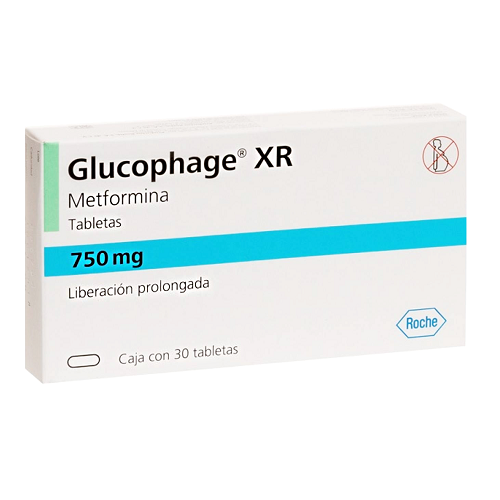
| Medication Name | Glucophage |
|---|---|
| Main Chemical Component | Metformin |
| Indication / Use | Type 2 Diabetes Mellitus management |
| Strength Variations | 500 mg, 850 mg, 1000 mg tablets |
| Initial Action Timeframe | Within days to 1 week for blood sugar reduction |
| How long the effect lasts | Approximately 8–12 hours (immediate-release) |
| Meal Considerations | Take with meals to reduce stomach upset |
| Prescription Requirement in the U.S. | Yes, federal prescription required |
| Average Retail Price (U.S.) | $4–$20/month (generic), higher for brand; varies by pharmacy |
Glucophage for Type 2 Diabetes: guidance for the United States
Glucophage, whose primary compound is Metformin, is a widely used medication to help control blood glucose levels in people with Type 2 Diabetes. It is legally prescribed and available throughout the United States under regulation by the U.S. Food and Drug Administration (FDA). The following guide addresses the real questions people have about living with diabetes and deciding whether Glucophage is right for them.
How common is Type 2 Diabetes—and is my struggle normal?
Type 2 Diabetes affects an enormous number of people in the United States, making it one of the most recognizable chronic conditions. According to the Centers for Disease Control and Prevention (CDC), in 2022, approximately 37.3 million Americans had diabetes, with Type 2 accounting for over 90% of those cases. That means nearly one in ten adults in the U.S. is living with diabetes. This prevalence underscores that you are neither alone nor unusual in facing these health challenges. The good news: Type 2 Diabetes is highly manageable, and many people attain stable, healthy lives with the right lifestyle adjustments and medication.
How does Glucophage actually help with blood sugar—and what will I notice?
Glucophage (Metformin) works by targeting several processes involved in blood sugar regulation:
- Reduces glucose production in the liver: The liver is a major source of blood sugar, especially overnight. By slowing down this production, Metformin directly lowers fasting blood sugar levels.
- Improves insulin sensitivity in muscles: It helps your body’s muscle cells respond better to insulin, the hormone that lets sugar enter cells from the bloodstream. This means more sugar is used for energy, not left circulating in your blood.
- Lowers absorption of sugar from the gut: Metformin slightly reduces how much sugar your body absorbs from food—blunting spikes after meals.
For most people, the practical result is a gradual improvement in blood sugar levels within days to a week of starting treatment. You may not “feel” a dramatic change right away, but over time you may notice:
- Reduced thirst and urination (if previously high)
- More stable energy levels
- Fewer glucose “highs and lows”
According to clinical guidance, Metformin is effective in lowering HbA1c (a long-term measure of blood sugar) by 1–2% on average. That can translate to a substantial reduction in risk of diabetes complications. However, individual experience varies based on baseline blood sugar, diet, and adherence to therapy.
Is Glucophage the right fit for my situation?
| Your Situation | Should You Consider Glucophage? | Reason |
|---|---|---|
| Diagnosed with Type 2 Diabetes recently; overweight; no kidney disease | Yes, Glucophage is a first-line option | Helps control blood sugar and may support modest weight loss |
| Type 2 Diabetes with mild kidney impairment | Maybe, with caution | May be used at lower doses; requires monitoring of kidney function |
| History of advanced kidney disease or severe liver problems | No, Glucophage is not advised | Increased risk of lactic acidosis, a rare but serious complication |
| Pregnant or planning pregnancy | Usually not first choice | Other diabetes medications are preferred in pregnancy unless specifically recommended by your doctor |
| Wanting to avoid weight gain from diabetes treatment | Yes, Glucophage is weight-neutral or may help with weight loss | Unlike some other diabetes medications, Metformin rarely causes weight gain |
These scenarios reflect common real-life decisions. Your own medical history may influence whether Glucophage is appropriate—especially kidney and liver function, and pregnancy plans. If you’re unsure, a doctor specializing in diabetes care can clarify your best path.
How do I use Glucophage in real life—and what if something goes wrong?
When starting Glucophage, most people begin with a low dose (e.g., 500 mg once daily), which can be gradually increased based on blood sugar response and tolerance. Practical recommendations include:
- Take with food: This reduces stomach upset, which is the most common initial side effect.
- Consistent timing: Try to take your dose at the same time(s) daily to maintain stable blood levels.
- Do not crush or split extended-release tablets: This can affect the medication’s release pattern.
Missed a dose? If you remember within a few hours, take it with your next meal. If it’s nearly time for your next scheduled dose, skip the missed dose—never double up. Forgetting a single dose will not cause dangerous swings, but frequent missed doses can reduce effectiveness.
If Glucophage “isn’t working” (blood sugars remain high): It often takes several weeks to see full effect, especially if starting at a low dose. If your readings remain high after a month, or if you experience persistent symptoms, consult your healthcare provider. Sometimes, dose adjustments or additional medications are needed.
What’s normal, what’s not? Mild stomach upset, soft stools, or mild appetite changes are common and usually self-limited. Severe or persistent gastrointestinal symptoms, muscle pain, deep rapid breathing, or confusion are not normal—seek medical attention if these occur. Your doctor should monitor kidney function periodically, as this influences Metformin’s safety and dosing.
Who should not use Glucophage—and why?
The main groups for whom Metformin is not recommended include:
- People with severe kidney impairment (typically defined as eGFR below 30 mL/min/1.73m2): the kidneys clear Metformin from the body, and buildup increases risk of lactic acidosis, a rare but serious side effect.
- Individuals with advanced liver disease: impaired liver function can increase the risk of lactic acidosis.
- Anyone with a history of allergic reaction to Metformin or any ingredient in Glucophage: risk of severe allergic reaction.
- People with conditions linked to poor tissue oxygenation (such as heart failure, recent heart attack, or severe infections): higher risk for metabolic complications.
- Pregnancy and breastfeeding: Not typically first-line unless specifically advised by an experienced clinician.
These contraindications are rooted in how Metformin is processed in the body and the rare but real risk of lactic acidosis. If you fall into any of these categories, safer alternatives are available—always seek specialist advice before making a decision.
What side effects might I encounter—and when should I worry?
- Common and mild: Temporary stomach upset, nausea, soft stools, and mild loss of appetite. These often improve within the first few weeks of use and can be minimized by taking Glucophage with meals.
- Less common: Metallic taste, mild fatigue.
- Rare but serious: Lactic acidosis—a medical emergency, presenting with muscle pain, severe tiredness, breathing difficulties, abdominal pain, or confusion. This is extremely rare but requires immediate action.
If you experience symptoms suggestive of lactic acidosis or a severe allergic reaction (such as swelling of the face or throat, difficulty breathing), call 911 or your local emergency services immediately. In the U.S., this is the fastest way to get urgent medical care for potentially life-threatening reactions.
Can I use Glucophage with my other medications and supplements?
Drug and supplement interactions are an important concern. Some medications increase the risk of Metformin side effects or alter its effectiveness. Notable interactions include:
- Certain diuretics and blood pressure medicines (such as ACE inhibitors): may raise risk of kidney problems or lactic acidosis.
- Contrast dyes for X-rays or scans: can stress the kidneys; Metformin may need to be paused before and after these procedures.
- Alcohol: Increases risk of low blood sugar and lactic acidosis—limit or avoid heavy consumption while on Glucophage.
- Other diabetes medications: Sulfonylureas, insulin, or newer diabetes drugs can be combined with Metformin, but dose adjustments may be necessary to prevent hypoglycemia (low blood sugar).
- Certain herbal supplements: Few have proven interactions, but always disclose all supplements to your healthcare provider, as some may impact blood sugar or kidney function.
Your pharmacist or doctor can review your medication list for possible interactions. Do not start or stop any medications without checking with your healthcare team.
How does Glucophage compare to other diabetes medications and options?
| Medication/Approach | Main Benefits | Potential Drawbacks |
|---|---|---|
| Glucophage (Metformin) | Effective, affordable, weight-neutral or weight loss, long safety record | Gastrointestinal side effects, not suitable for kidney/liver disease |
| SGLT2 inhibitors (e.g. Jardiance, Farxiga) | Lower blood sugar, may help heart/kidney, weight loss | More expensive, risk of urinary/genital infections, not for advanced kidney disease |
| GLP-1 receptor agonists (e.g. Ozempic, Trulicity) | Weight loss, lower cardiovascular risk, once-weekly dosing | Injectable, costly, may cause nausea or GI effects |
| Sulfonylureas | Lower blood sugar, oral dosing, inexpensive | Risk of low blood sugar, weight gain, less durable effect |
| Insulin | Most potent, works in advanced diabetes | Requires injection, risk of low blood sugar, weight gain |
| Lifestyle changes only | Improves overall health, no medication side effects | Often insufficient alone for long-term control in moderate to severe diabetes |
Glucophage is considered the standard first-line oral medication for most adults newly diagnosed with Type 2 Diabetes. For those with established heart or kidney disease, or those unable to tolerate Metformin, alternatives such as SGLT2 inhibitors or GLP-1 agonists may be preferred. Your doctor’s recommendation will consider your medical history, insurance coverage, and personal preferences.
What does Glucophage actually cost in the U.S.—and how do I get it?
Glucophage (Metformin) is one of the most affordable diabetes medications in the United States due to the availability of generics. Here’s a realistic breakdown of potential expenses:
| Cost Item | Amount | Note |
|---|---|---|
| Doctor consultation (in person) | $75–$300 | Initial diagnosis or prescription; telemedicine often lower ($40–$100) |
| Prescription fee | Included in visit | No extra charge at most U.S. clinics |
| Glucophage/Metformin tablets | $4–$20/month | Generic price at major pharmacies; may be higher for brand-name or larger doses |
| Home delivery (optional) | $0–$15 | Many pharmacies offer free delivery; some charge for express shipping |
| Total | $44–$335 (first month); $4–$35/month after | Range: telemedicine with generic & free delivery — to in-person visit with brand/express delivery |
Insurance often covers most costs, but without insurance, generic Metformin remains accessible to most people. Glucophage requires a prescription by law in the U.S., but some online services facilitate telemedicine consults and expedited pharmacy delivery. Be cautious: purchasing without a prescription is not legal and may involve risks with counterfeit or unregulated medication. The U.S. FDA monitors the safety and approval of all legitimate diabetes medications.
What if I still have questions about Glucophage or managing diabetes?
Even after careful research, some uncertainties remain personal: how Glucophage will fit your unique health, how your insurance or pharmacy options may impact costs, and how to address side effects if they arise. One element not found on most competitor pages: many larger U.S. pharmacies now offer diabetes education sessions and pharmacist consults included with your prescription at no additional cost. These resources can clarify day-to-day concerns about timing, interactions, and monitoring, bridging the gap between the doctor’s office and daily life. Should you experience anything unexpected or worrying during treatment, do not hesitate to contact your healthcare provider for tailored advice—they are your best resource for safe and effective diabetes management.